
The Difference Between Wall Lights and Sconces
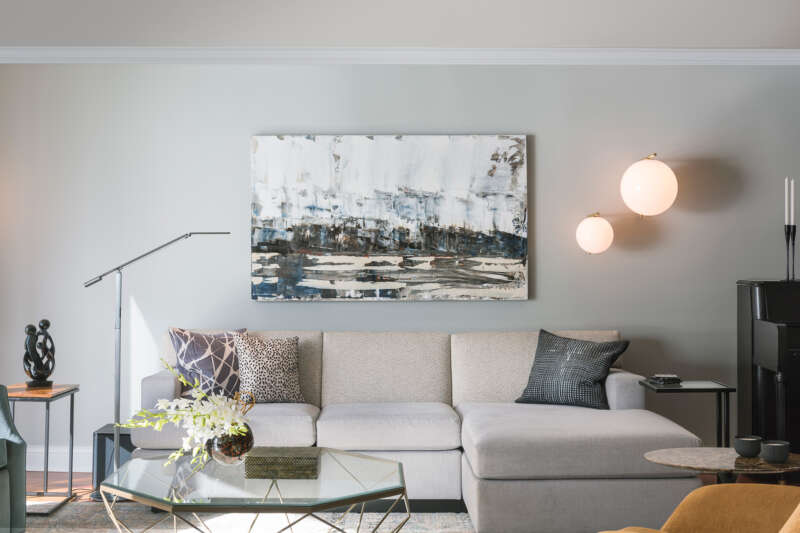
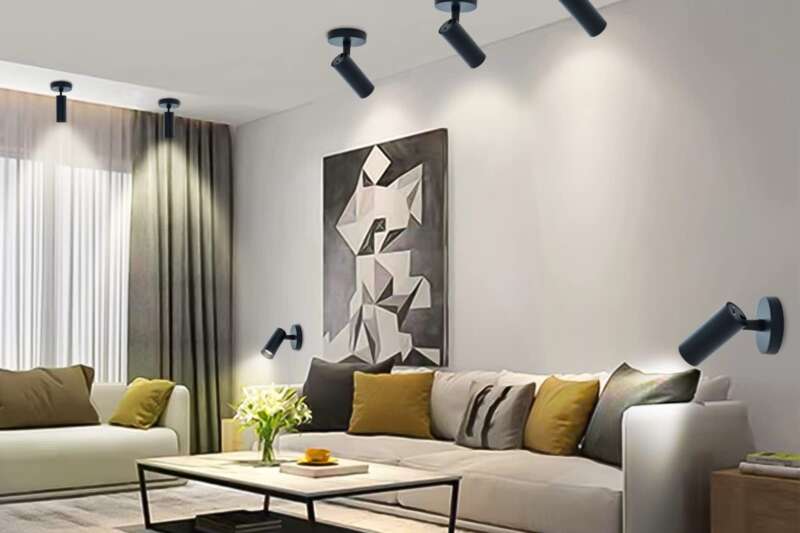
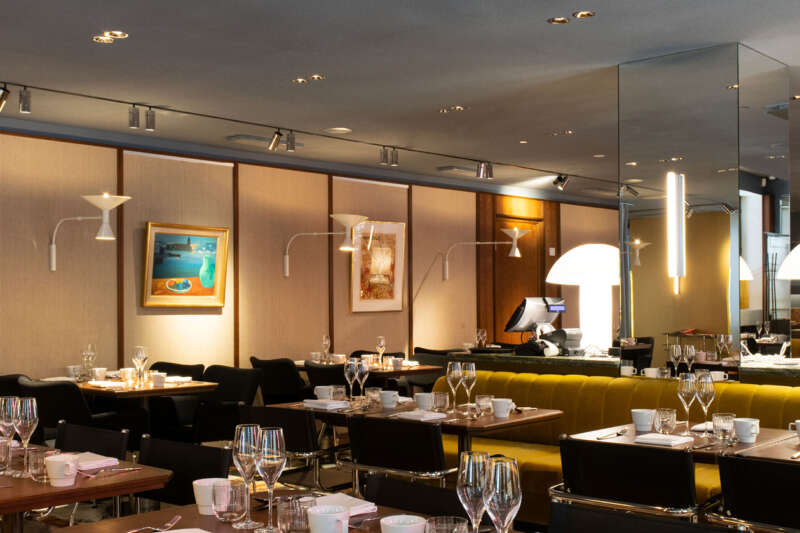
While the terms are often used interchangeably, wall sconces and wall lights differ in their typical design and function. Wall sconces are often more decorative, featuring exposed bulbs and intricate designs, and are frequently used for ambient or accent lighting. Wall lights, on the other hand, can encompass a wider range of styles, including minimalist designs, and may have covered light sources for more general or task lighting.
Here’s a more detailed breakdown:
Wall Sconces:
Design: Typically feature a decorative backplate or bracket that protrudes from the wall, often with exposed bulbs or a shade.
Function:
Primarily used for ambient or accent lighting, creating a warm and inviting atmosphere.
Examples:
Can be found in styles ranging from traditional to contemporary, with materials like metal, glass, and crystal.
Wall Lights:
Design:
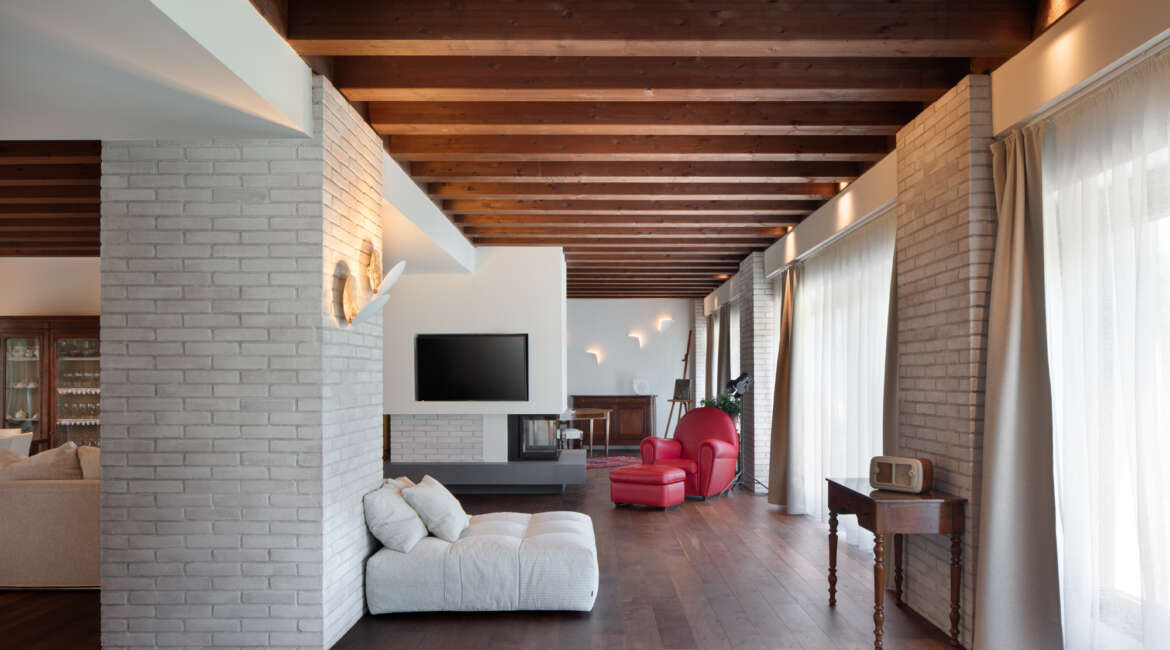
Can be flush-mounted against the wall or have a more minimalist design, sometimes with a covered light source (like glass).
Function:
Can provide ambient, task, or accent lighting, depending on the specific fixture and bulb.
Examples:
Include a wide variety of styles, from modern and sleek to more traditional designs.
Conclusion:
Wall lights: often have a more decorative and traditional feel, while wall lights can be more versatile and adaptable to different styles.
Sconces: are often used to add a touch of elegance or personality to a space, while wall lights can serve a more practical purpose.
Ultimately, the best choice between a sconce and a wall light depends on your specific needs and preferences, as well as the overall design of your space.