
Creating a Focal Point with Pendant Lighting
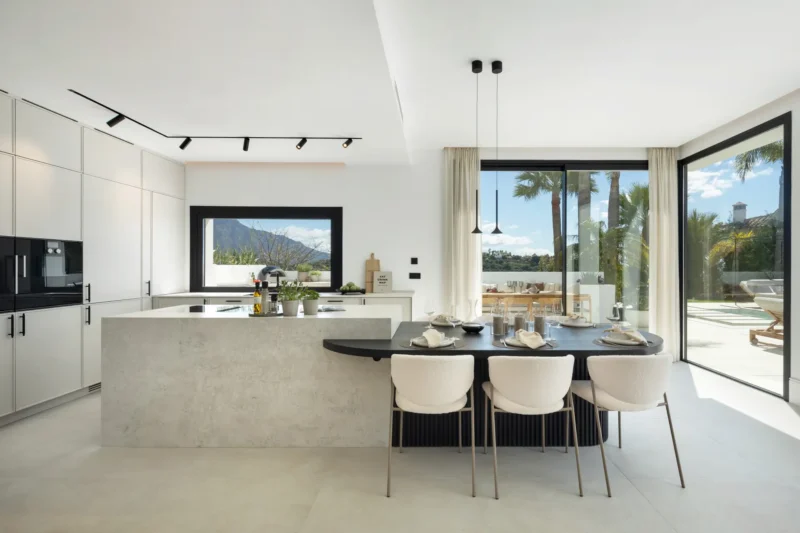
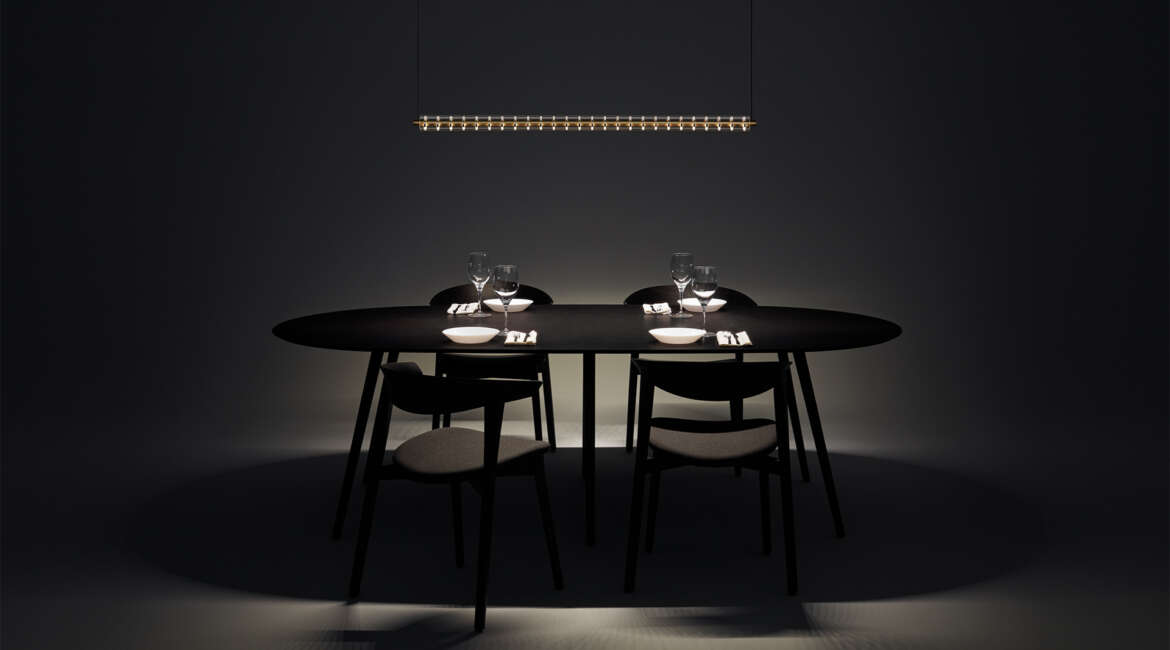
One of the most effective uses of pendant lighting is to create a focal point. By hanging a striking pendant fixture above the dining table, you draw attention to this key area of the room.
This can elevate the dining experience by encouraging conversation and making the space feel more intimate. Furthermore, when placed properly, pendant lighting can balance with other decor elements, enhancing the overall aesthetic appeal.
Choosing the right pendant light can also reflect your personal style. For example, a vintage-inspired chandelier can evoke a sense of nostalgia, while a sleek, modern pendant can impart a contemporary flair. The materials and colors of the fixture can harmonize with the dining room’s palette, tying together various design elements and ensuring a cohesive look.
Enhancing Room Ambiance with Light and Shadow
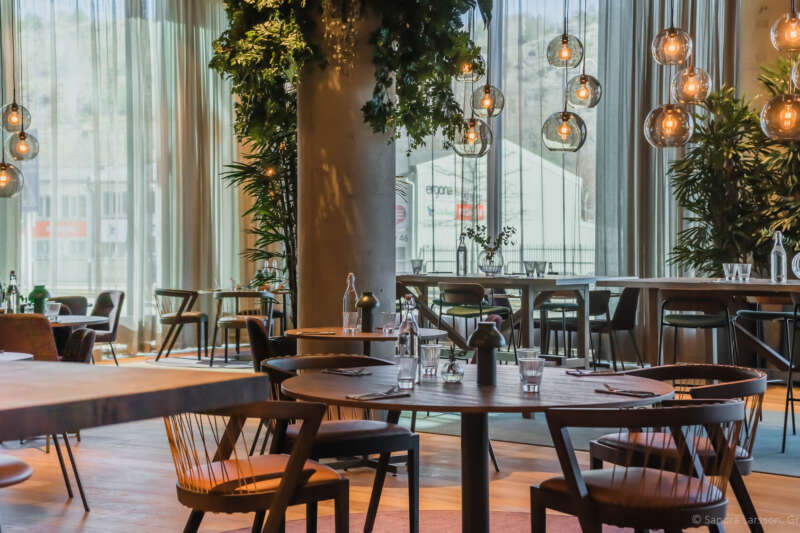
Pendant lights can also play a significant role in establishing the right mood. Depending on the type of bulbs used and the shape of the fixture, you can manipulate light and shadow to create different atmospheres.
For instance, a glass pendant light can produce a soft, diffused glow while a metal shade can cast interesting shadows throughout the room. This variability allows you to control the ambiance effectively, whether it’s for a casual family dinner or a formal gathering.
Energy Efficiency of Pendant Lights
In addition to aesthetics, pendant lighting can offer energy savings. By understanding how to use these fixtures efficiently, homeowners can reduce their energy consumption without sacrificing style. Pendant lights are not only versatile in design but also serve as a practical solution for illuminating various spaces, from kitchens to dining areas, enhancing both functionality and ambiance.
How Pendant Lights Save Energy
Pendant lights, especially when used in conjunction with dimmer switches, allow for greater control over light output. By adjusting the brightness based on the time of day or activity, energy consumption can be significantly reduced. This adaptability makes pendant lights ideal for multi-purpose spaces where lighting needs can vary greatly throughout the day, such as transitioning from bright task lighting during meal prep to softer, ambient lighting for evening gatherings.
Additionally, many modern pendant lights are designed to accommodate LED bulbs, which are known for their energy efficiency. Switching to LED can cut energy usage by up to 75% compared to traditional incandescent bulbs. Furthermore, LED technology has advanced to offer a range of color temperatures, allowing homeowners to choose warm or cool light to suit their preferences and enhance the overall mood of their space.
Installation Tips for Pendant Lighting
Installing pendant lights requires careful consideration to ensure optimal performance and safety. By following a few essential tips, you can achieve the best results in your dining area.
Proper Placement of Pendant Lights
When determining the height of your pendant lights, a general rule of thumb is to hang them 28 to 34 inches above the dining table. This height permits sufficient illumination while allowing for an unobstructed view across the table.
If installing multiple pendant lights, ensure they are evenly spaced to maintain balance and symmetry. Proper placement not only enhances functionality but also contributes to the visual cohesion of the space.
Safety Measures during Installation
Safety is paramount when installing pendant lighting. Always turn off the electricity at the circuit breaker before starting the installation process. If you’re unsure about the electrical work required, consulting a professional electrician is often the safest option.
Using sturdy mounting hardware and ensuring the fixture is secure will prevent future issues. Remember to also follow the manufacturer’s installation instructions carefully to maintain the integrity of the fixture.
Maintenance and Care for Pendant Lights
To keep your pendant lights looking their best and functioning efficiently, regular maintenance is essential. A little care goes a long way in preserving their appearance and longevity.
Cleaning Your Pendant Lights
Dust and grime can accumulate on pendant lights over time, affecting their brightness and aesthetic appeal. Regularly wipe down the fixtures with a soft, damp cloth to remove dust.
For glass or crystal shades, consider using a mild cleaning solution to maintain clarity and shine. Avoid abrasive cleaners that could scratch or damage the surface.
Regular Maintenance for Longevity
In addition to cleaning, periodic checks of electrical components, such as bulbs and wiring, should be performed to ensure everything is functioning correctly. Replace any burnt-out bulbs promptly and address any flickering or dimming issues.
Following these maintenance tips will help extend the life of your pendant lighting while keeping your dining room bright and inviting.
Different Styles of Pendant Lighting
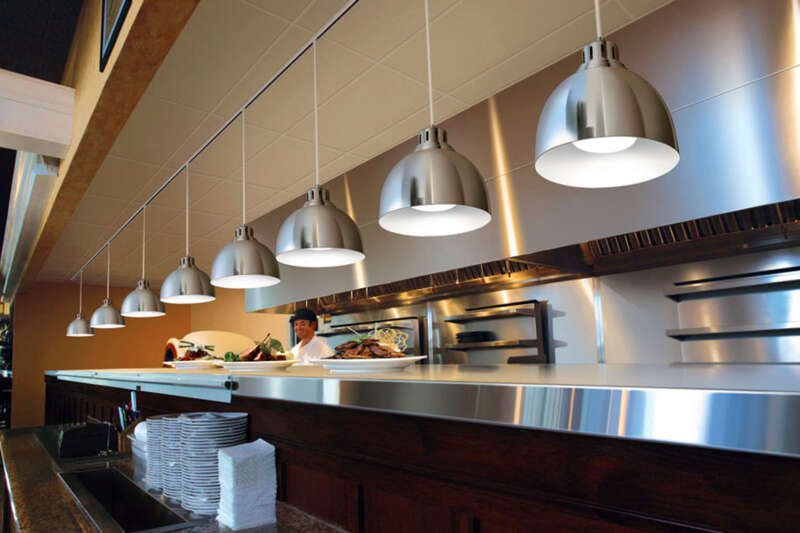
When it comes to styles, the options are virtually limitless. From modern and sleek metal fixtures to rustic glass designs, you can find a pendant light that complements your dining room decor. Each style not only serves a practical purpose but also acts as a statement piece that can tie the room together, enhancing the overall aesthetic.
Industrial: Features raw materials and often combines metal with wood, making it a popular choice for loft-style homes and modern spaces.
Chandelier: A more decorative option that may include multiple bulbs, often acting as a stunning focal point above a dining table.
Minimalist: Simple designs that focus on function while remaining unobtrusive, perfect for contemporary settings where less is more.
Bohemian: Often made with colorful glass or woven materials for a laid-back vibe, bringing a touch of whimsy and creativity into the dining area.
Choosing a style that mirrors your personal taste can enhance the overall ambiance of the dining room while providing practical lighting solutions. Additionally, considering the scale of the pendant light in relation to your dining space is crucial; a large, bold fixture can make a dramatic statement, while smaller pendants can be grouped together for a layered lighting effect that adds depth and interest. The right combination of style, size, and placement can elevate your dining experience, making every meal feel special.
In conclusion, pendant lights play a crucial role in shaping the visual dynamics of a dining room. By effectively blending style and purpose, they create a warm, inviting atmosphere for family gatherings and entertaining guests. By understanding the types, impacts, and maintenance of these fixtures, homeowners can improve their spaces while saving on energy costs.