
Strategic Lighting for Restaurants
A restaurant’s lighting system is a strategic blend of hardware, software, and design principles that work together to create the desired atmosphere, highlight key features, and ensure functionality. A well-designed system balances aesthetic appeal with operational needs, making it a critical component of the overall brand and diner experience.
Foundational components
1. Layered lighting design
The most important principle is the use of multiple layers of light to achieve depth and visual interest.
Ambient lighting: The primary source of illumination that provides overall brightness and sets the foundational mood. This can include recessed fixtures, large chandeliers, or natural light from large windows.
Task lighting: Focused light sources designed for specific activities. This ensures diners can read menus and staff can work safely and efficiently. Examples include pendant lights over tables and under-cabinet lighting in kitchens.
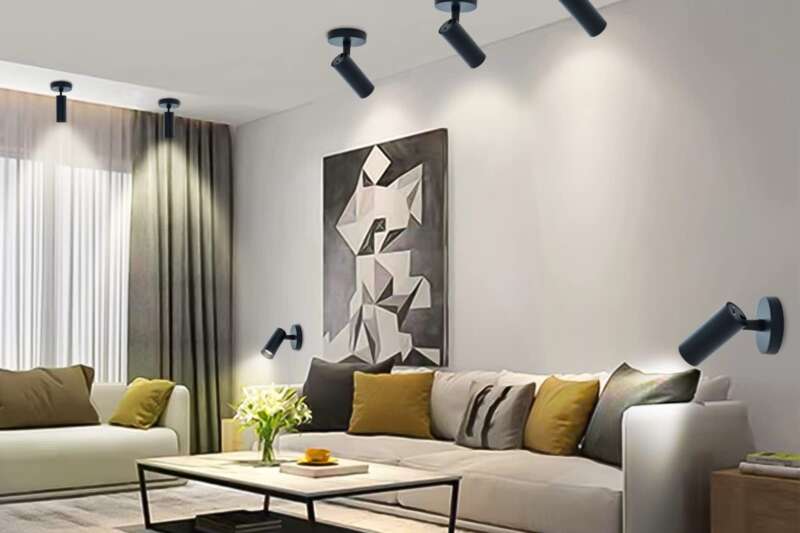
Accent lighting: Used to draw attention to focal points such as artwork, architectural details, or product displays. Wall sconces, spotlights, and LED strips are common fixtures used for this purpose.
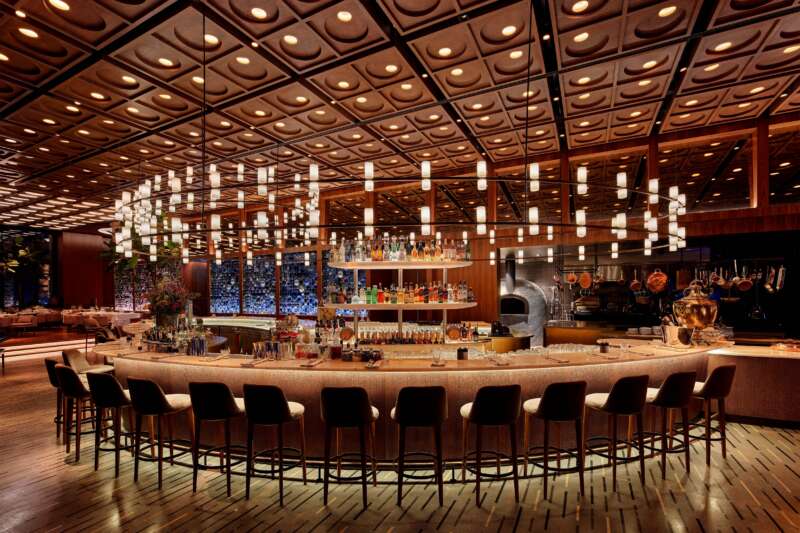
Decorative lighting: Artistic and statement-making fixtures, like custom chandeliers or neon signs, that enhance the restaurant’s theme and brand identity.
2. Versatile LED fixtures
Modern restaurants rely heavily on LED technology for its efficiency, longevity, and versatility.
Recessed lights: Create a clean, minimalist look and provide general ambient light.
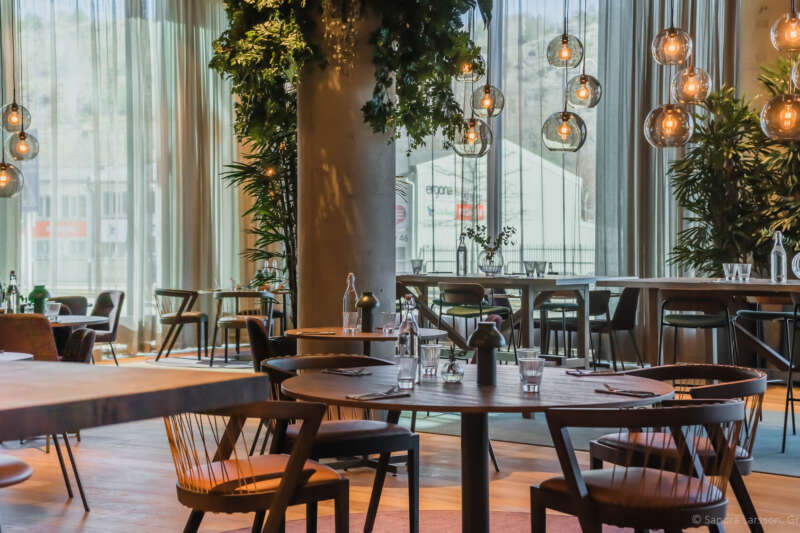
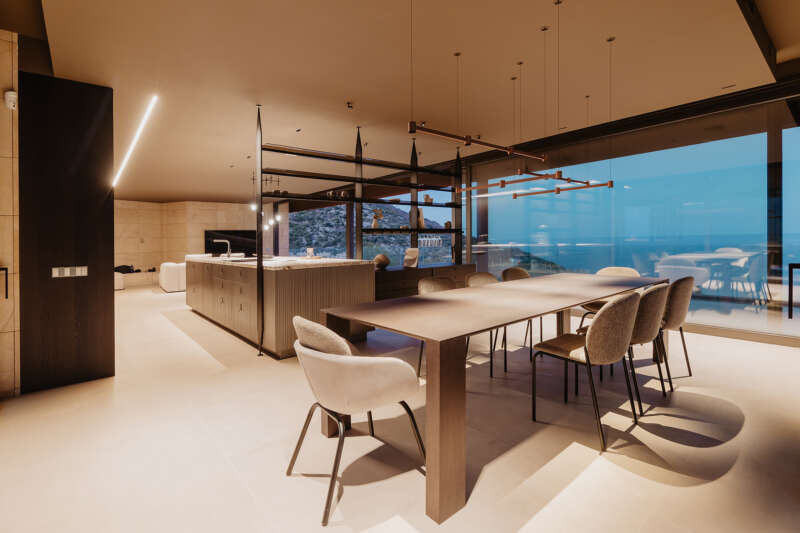
Pendant lights: Offer a stylish focal point and are ideal for task lighting over tables or bar tops.
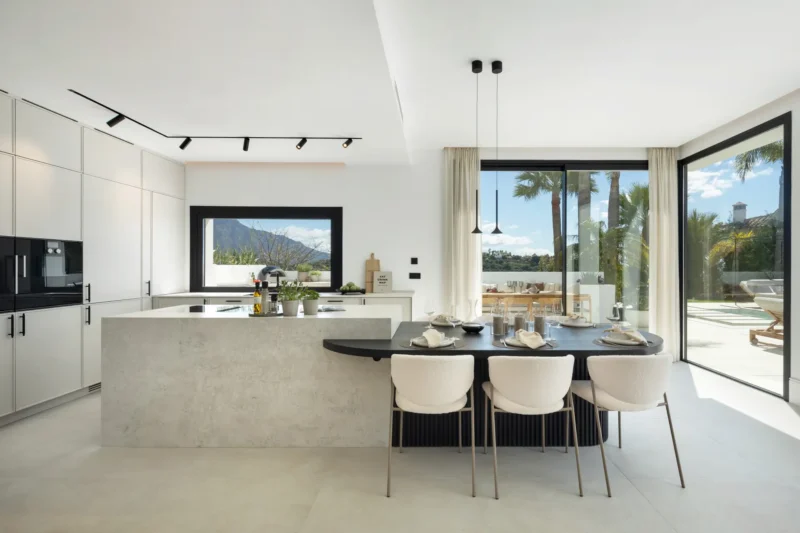
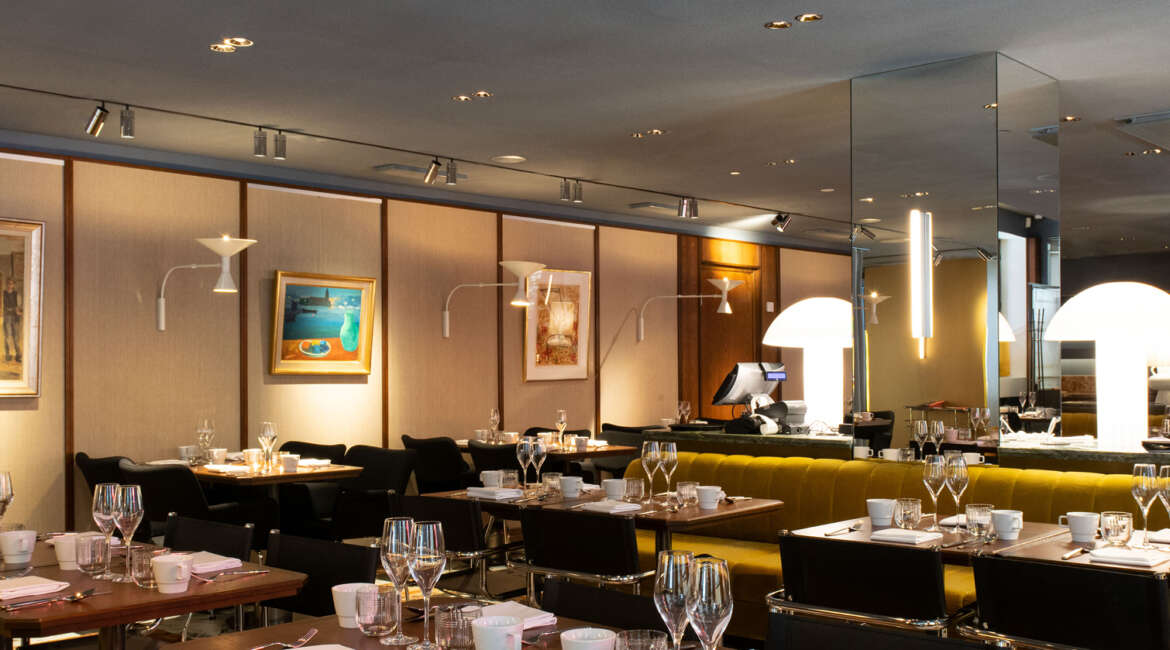
Track lighting: Flexible and adjustable, allowing staff to direct light to highlight different features.
LED strips: Highly customizable and often used for accent lighting, such as under bar counters or behind shelves.
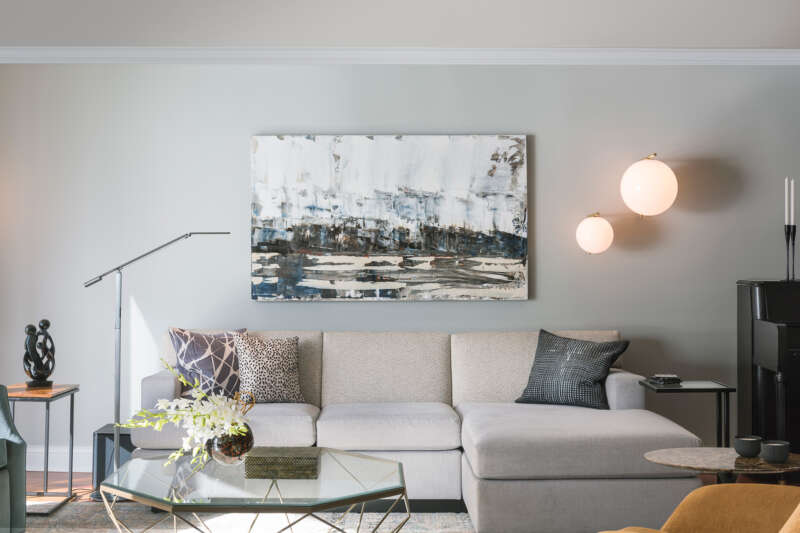
Sconces: Mounted on walls to create a warm, inviting glow and add visual texture.
3. Lighting controls and automation
Advanced control systems are essential for creating dynamic, multi-purpose spaces.
Dimmers: Allow for precise control over light intensity, enabling easy transitions from bright daytime settings to a softer, more intimate evening atmosphere.
Automated systems: Smart lighting systems can be programmed to adjust light levels and color temperature automatically throughout the day. They can also be integrated with motion sensors to save energy in areas like restrooms.
App and tablet control: Allow staff to manage complex lighting scenes and settings from a central hub, removing the need for manual adjustments at each fixture.
Technical and aesthetic considerations
1. Color temperature
Measured in Kelvin (K), color temperature influences the mood and feel of a space.
Warm white (2700K–3000K): Creates a cozy, intimate, and relaxing atmosphere, ideal for fine dining.
Cool white (4000K+): Creates an energetic and clean atmosphere, better suited for fast-casual eateries or bright, contemporary spaces.
Tunable white: Some LED systems allow the restaurant to shift the color temperature, providing a flexible option for different times of day.
2. High color rendering index (CRI)
A light source’s CRI rating, from 0 to 100, measures how accurately it reveals colors.
High CRI (90+): Makes food look more vibrant, fresh, and appealing. This is a crucial factor for enhancing the visual presentation of dishes and is often preferred for high-end dining.
3. Energy efficiency
Choosing LED lights over incandescent or fluorescent bulbs is a fundamental component of modern restaurant design, as it reduces energy consumption and operational costs.
Longevity: LEDs have a longer lifespan, which reduces maintenance and replacement costs.
Smart integration: Smart lighting systems can further optimize energy use by dimming or turning off lights when they are not needed.
4. Natural light integration
Maximizing the use of natural light during the day can save on energy costs and create a more inviting environment. A good system balances the use of natural light with artificial light to maintain a consistent atmosphere from day to night.