
How Lighting Affects a Diner’s Experience
Lighting is one of the most powerful and influential design elements in a restaurant, shaping a diner’s perception of the atmosphere, the food, and the overall brand. By controlling mood, defining spaces, and influencing customer behavior, lighting is a strategic tool for managing the entire dining experience.
How does lighting affect a diner’s perception of a restaurant’s atmosphere and brand?
Mood and atmosphere
The warmth and brightness of light are key to establishing a restaurant’s atmosphere and brand identity.
Warm, dim light (around 2700K–3000K) promotes relaxation, intimacy, and a sense of luxury. This encourages diners to linger longer, order more courses or drinks, and enjoy an unhurried, more private dining experience, all of which are ideal for fine-dining establishments.
Cool, bright light (around 4000K–5000K) creates an energetic and lively atmosphere, common in fast-casual concepts, coffee shops, and diners. This brightness stimulates diners, encourages faster table turnover, and promotes alertness.
Perception of food
Lighting directly impacts how a diner perceives the quality and appeal of their meal.
High CRI: Makes food look fresh, vibrant, and appetizing. This enhances a diner’s visual and mental perception of the meal, making it appear more flavorful and appealing.
Poor lighting: Can make food appear dull, unappealing, or discolored, which can negatively affect a diner’s appetite and perception of quality.
Customer behavior and spending
Strategic lighting can be used to subtly guide customer behavior and increase sales.
Dwell time: Restaurants can encourage customers to stay longer by using dimmer lighting in the evening, leading to a more leisurely pace and a higher probability of ordering dessert or another round of drinks.
Food choices: Some studies suggest that brighter, more stimulating lighting can lead diners to make healthier food choices. In contrast, dim lighting may influence them toward less healthy or more indulgent options, potentially boosting sales of high-margin items like desserts.
Purchase visibility: Accent lighting can draw attention to high-margin products or areas, such as a well-lit dessert display or a highlighted bar, which can drive impulse purchases.
Branding and identity
Lighting is a fundamental aspect of a restaurant’s interior design, reinforcing its brand story and ethos.
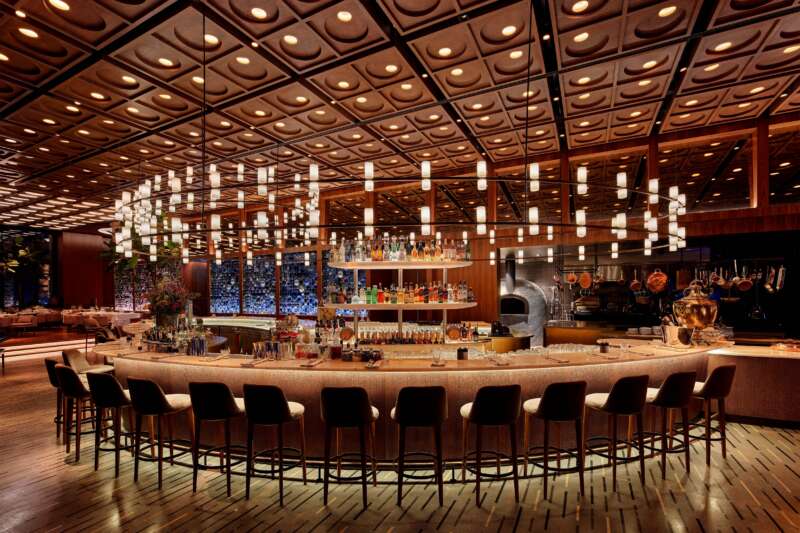
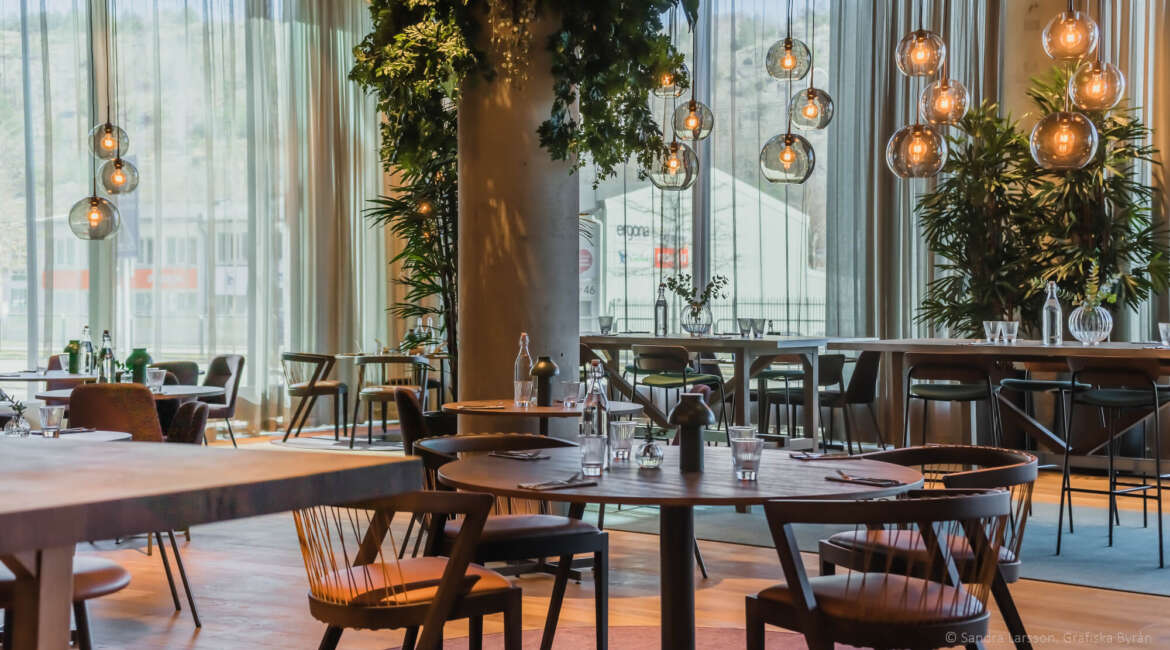
Visual cues: A rustic restaurant might use warm, vintage-style Edison LED bulbs, while a modern fine-dining establishment might opt for sleek, sculptural LED fixtures. The lighting style becomes part of the restaurant’s visual signature, creating a distinct and memorable aesthetic.
Social media sharing: Thoughtful and unique lighting designs—such as custom artistic light installations—are highly shared on Instagram. This encourages diners to share photos, providing the restaurant with free marketing and helping build brand visibility.
Sensory consistency: When the lighting aligns perfectly with the cuisine, decor, and service style, it creates a cohesive sensory experience that builds customer satisfaction and loyalty.
How multi-layered and multi-style LED lighting achieves this:
Modern LED technology provides restaurants with unprecedented control to precisely and dynamically shape a diner’s perception.
Tunable color temperature: Restaurants can use LED systems to adjust the color temperature of the lights throughout the day, creating a bright and energetic atmosphere for lunch and a warm, cozy one for dinner.
Dimmers and controls: Automation allows staff to seamlessly transition between different lighting scenes, managing the ambiance and energy levels for different times of day or specific events.
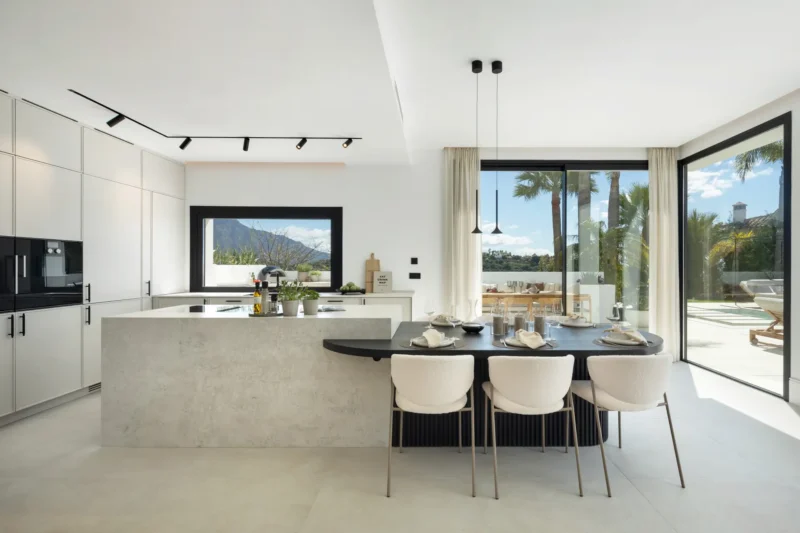
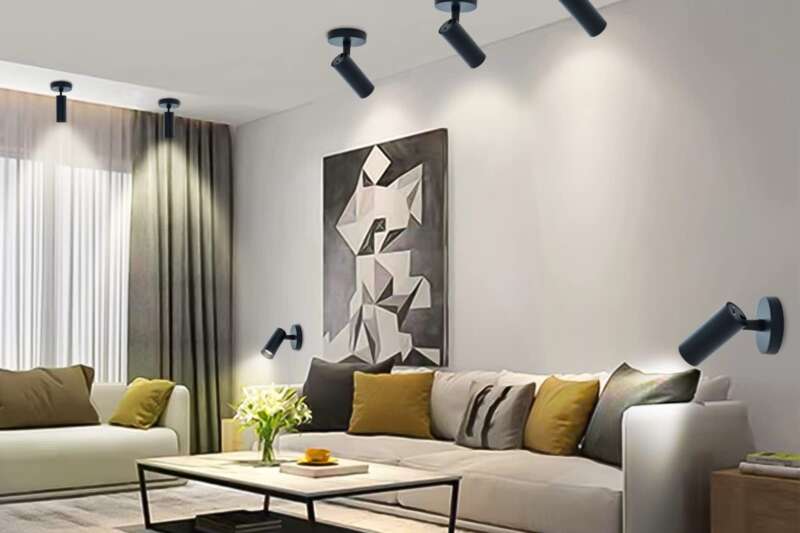
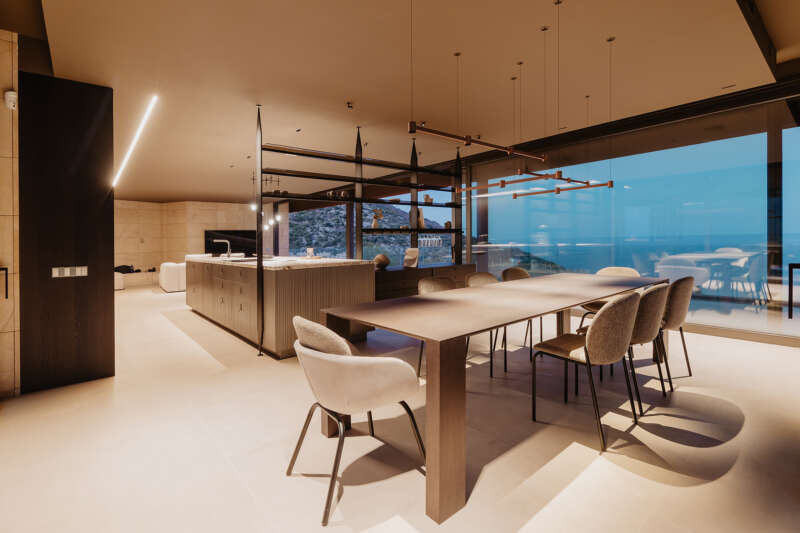
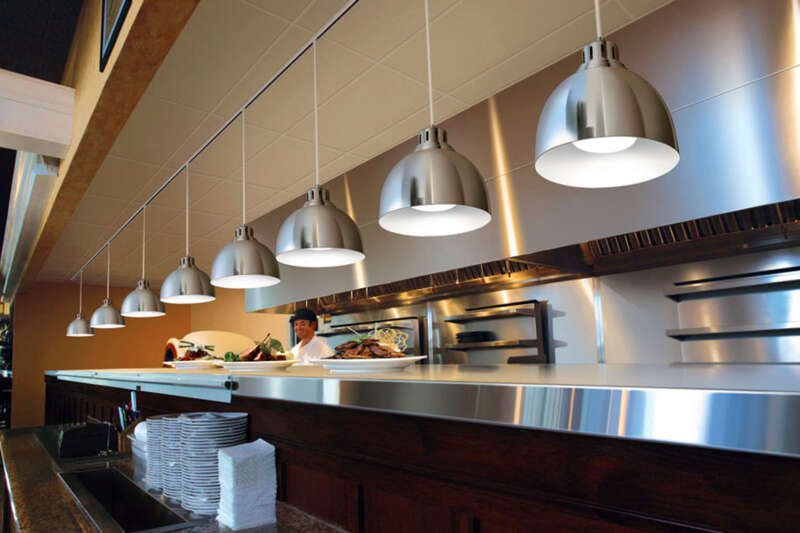
Layered design: Combining ambient, task, and accent lighting allows restaurants to create a versatile space that offers different experiences within the same room. A bright, well-lit bar area can exist alongside a dimly lit, intimate dining section.
Functional and decorative fixtures: LEDs enable the use of both highly functional, focused task lighting (such as pendants over tables) and purely decorative, artistic lighting (like glowing bar shelves or custom neon signs), catering to both diner comfort and brand aesthetics.