
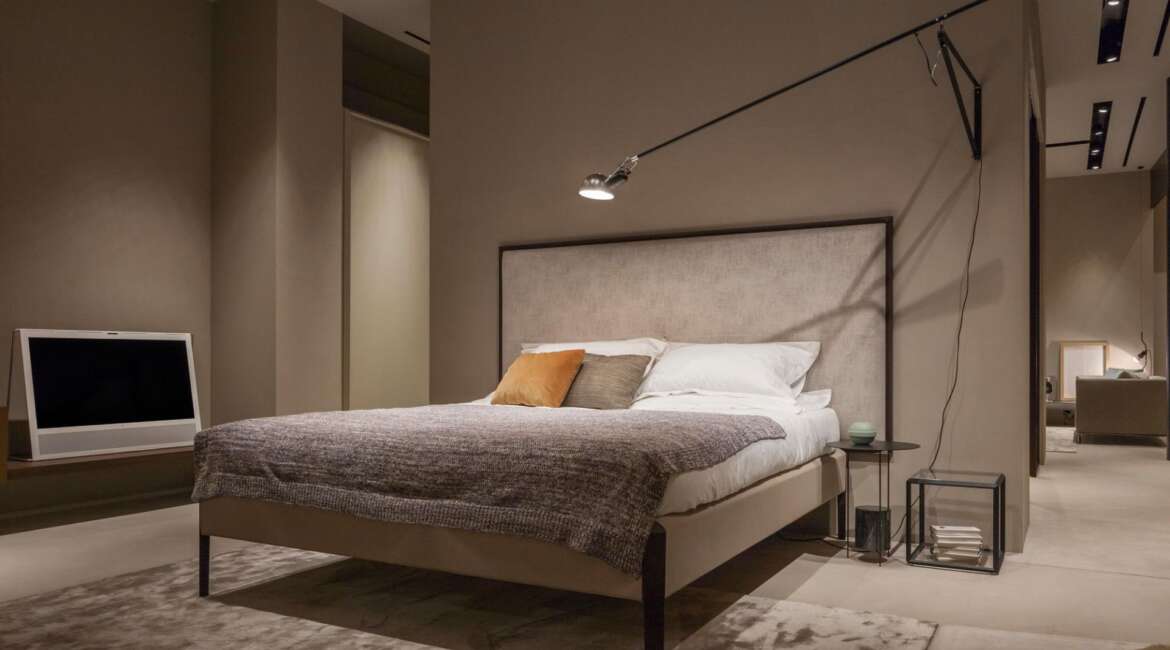
Can Lighting Make You Feel Warmer?
Does Turning on Your Home’s Lighting Actually Make You Feel Warmer?
While turning your lights on won’t technically warm up your home, the effects it can have on your brain will trick you into thinking it’s warmer.
Can lighting help? Experts explain its effects:
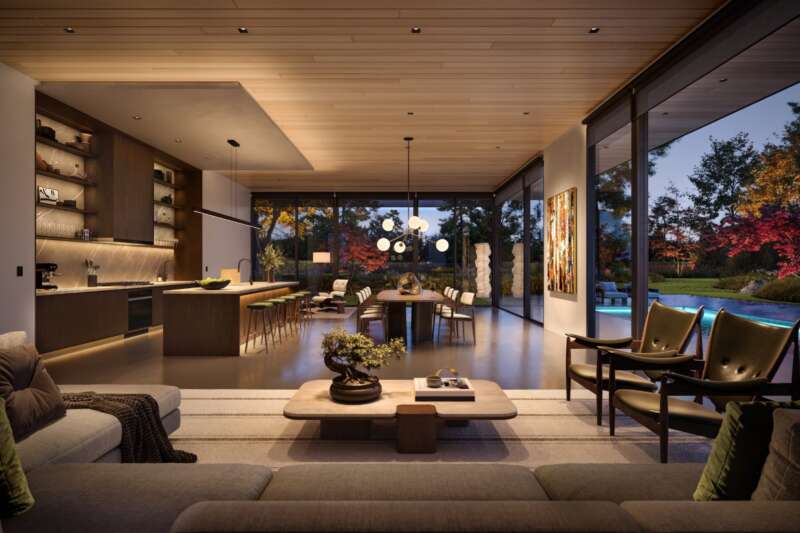
Combine your overhead lighting with softer low lighting for a warmer and more welcoming look and feel.
The idea behind this belief is less rooted in physical temperature changes and more in our innate color perception and its effects on how we feel.
Turning on lights doesn’t physically warm your home, but it does make it feel warmer by increasing comfort and reducing the visual cues we associate with cold, like darkness and harsh shadows.
Just as our brain reacts differently to different colors in color psychology, the same applies to lighting. It’s the same reason designers steer clear of using harsh, overhead lighting. Our brains perceive warm, soft light as comforting and inviting, sending our body into a more relaxed state, where we’re less likely to feel overwhelmed by cool temperatures.
How to Use Your Lighting to Make You Feel Warmer
Avoid any cold, harsh lighting, especially in bedrooms and living rooms, and understanding the importance of color temperature and warm light vs cool light.
Warm color temperatures (2700K–3000K) create a sense of comfort and coziness, while cooler temperatures can feel stark or ‘cold,’ especially in winter when there’s less natural daylight
Or, if you want it to feel even cozier, “2200K–2400K can feel especially comforting. This is especially good for bedroom lighting or in a reading corner.
As color expert and forecaster Jane Boddy explains, when comparing warm vs cool colors, warm colors “tend to appear more saturated, more vivid — radiating a sense of light, heat, and emotion.”
“Focus on creating a soft glow instead of harsh lighting, use warm color temperatures, and reduce strong contrasts between light and shadow,” says Betty Kajajian.
The importance of layering
After color temperature, the next factor to consider is the importance of layering. Instead of relying on one overhead light, which can flatten your space, Betty suggests using a layered lighting approach — “A combination of ambient, task, and accent lighting. Multiple light sources at different heights reduce harsh shadows and create a sense of enclosure and comfort.” That’s right, more anti-big light propaganda.
Try pairing decorative wall sconces with a large floor lamp and a few additional rechargeable lamps for a customizable and welcoming environment. Also, try searching for dimmable options. As Betty explains, “Dimming light not only reduces brightness but also softens the mood. Many warm-dim LEDs become even warmer as they dim, mimicking incandescent light.”
Or, if you want a step above a regular dimmable light, Tom says, “Many newer products now reference melanopic lighting, which focuses on how light impacts our biological response, meaning the right light can support alertness during the day and relaxation at night, even in winter.”
“Think of lighting as a substitute for the sun during winter,” adds Betty. It’s the concept that has led to the increasingly popular SAD lamps, and it’s not just based on intuition; there’s plenty of science behind the positive benefits this type of light can offer, too.
When it’s constantly cold and dark out, our home lighting is about more than just visibility. “Use it to add comfort rather than brightness,” says Betty.