
LED Chandeliers: Trends Vs Mistakes
Overhead-only lighting flattens a room and makes it feel colder and smaller; layer ambient, task, and accent light to add depth and warmth.
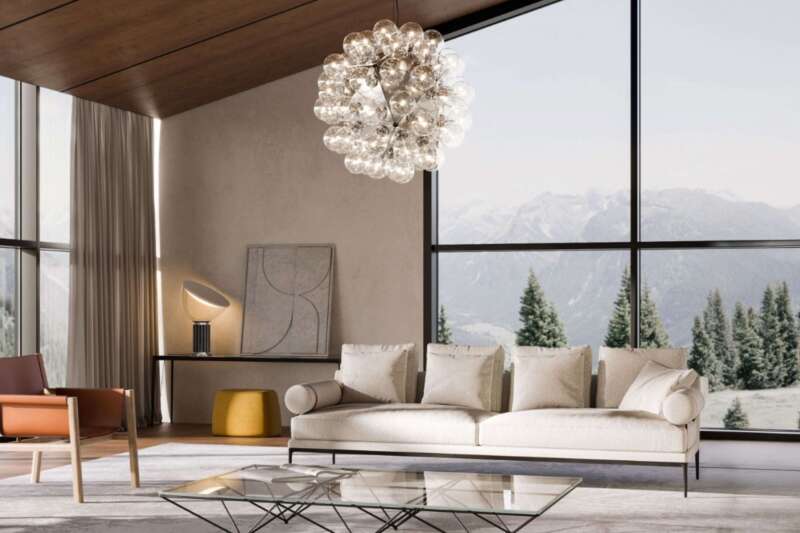
For 2026, LED chandeliers are trending towards organic, sculptural forms, natural materials like marble and brass, soft pastels, and “emotional minimalism,” integrating smart tech and eco-focus with artistic, statement-making designs that blend modern luxury with timeless warmth. Expect flowing shapes, botanical inspiration, warm metallic finishes, and integrated, dimmable LED technology for ambiance.
Key Trends for LED Chandeliers in 2026:
Sculptural & Organic Designs: Fixtures mimic natural forms like flowing branches, leaves, or soft curves, acting as art pieces with flowing arms, milk-glass globes, or unique arrangements.
Warm Minimalism & Emotional Design: Clean lines meet rich textures and craftsmanship, focusing on quality light and creating soulful, personal spaces rather than starkness.
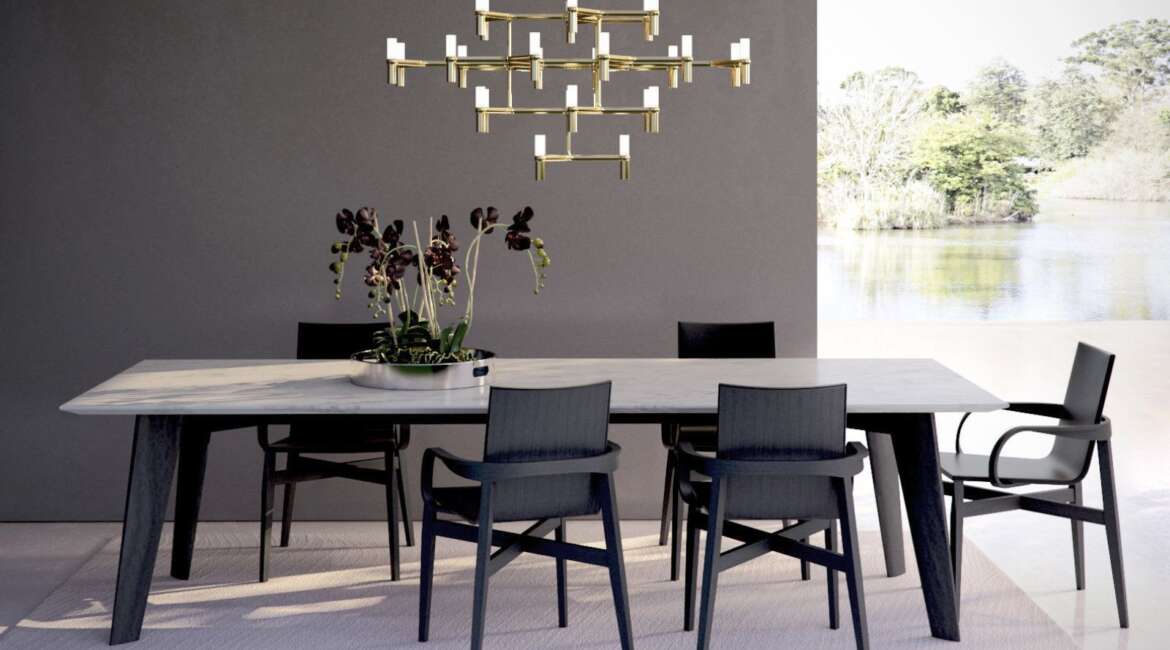
Natural & Luxe Materials: Popular pairings include marble, alabaster, crystal, and brushed or soft gold, champagne bronze, and pewter finishes for warmth.
Sophisticated Color Palettes: Soft pastels (sage, French blue, rose quartz) or deep, moody tones (ink blue, charcoal, petrol) add subtle color or drama, often with warm metal accents.
Smart & Sustainable Integration: LEDs are becoming smarter (IoT), more efficient, and sustainably manufactured, with dimmable options to control mood and energy use.
What to Look For:
Nature-Inspired Fixtures: Designs mimicking flowers, branches, or biological forms.
Textured Glass: Blown glass with subtle textures for depth.
Mixed Materials: Marble with brass or stainless steel, creating tactile luxury.
Dimmable Warm LEDs: For creating inviting, layered lighting.
How to Incorporate:
Statement Piece: Update a focal area like the living or dining room.
Cohesive Look: Group similar styles or colors for a unified design.
Common Mistakes To Avoid
Relying on one ceiling fixture.
Why it happens: habit. Fix it: add two table lamps and a pair of wall sconces to create three light levels.
Blue-white bulbs everywhere.
Why it happens: assuming “brighter is better.” Fix it: use 2700K to 3000K warm bulbs in living spaces and keep CRI at 90+ for true color.
Hanging heights that feel off.
Why it happens: guessing. Fix it: keep chandelier clearance at 7 feet in circulation paths; mount sconces 60 to 66 inches to center.
Too many metals.
Why it happens: trend chasing. Fix it: cap finishes at two or three; repeat each at least twice so it looks intentional.
Ignoring dimmers.
Why it happens: “I’ll add them later.” Fix it: install dimmers now; they’re the cheapest way to make lighting feel custom and controllable.