
Category: Lighting Control

Strategic Lighting for Restaurants

Strategic Lighting for Restaurants

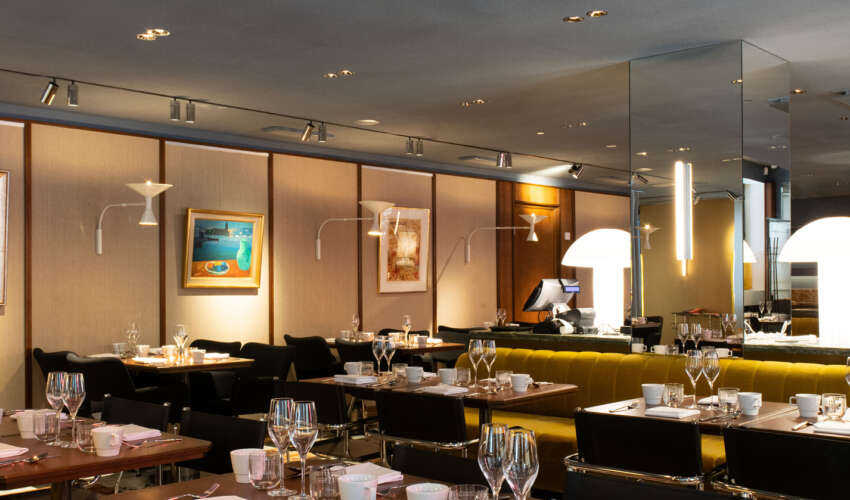
Strategic Lighting for Restaurants A restaurant’s lighting system is a strategic blend of hardware, software, and design principles that work together to create the desired atmosphere, highlight key features, and ensure functionality. A well-designed system balances aesthetic appeal with operational needs, making it a critical component of the overall brand and diner experience. Foundational components…
Read More
light through the seasons arkoslight-casa_duna

Light Through the Seasons

Light Through the Seasons We always say, light has a powerful influence on how we feel, move, and connect with the spaces around us. It affects everything from our energy levels to our sleep patterns, our sense of time to our overall wellbeing. But lighting is not just about comfort and clarity. It’s also about…
Read More
9 Factors Influencing Facade Lighting Choices Facade lighting is a critical element in architectural design, impacting aesthetics, functionality, and sustainability. Facade lighting decisions are shaped by an intricate interplay of factors, encompassing everything from artistic vision to technical assessments. Here, we delve into the multifaceted factors that architects, designers, and lighting experts carefully weigh when deciding about facade illumination. 1. Architectural Style and Intent Architectural style and intent are pivotal in shaping the decisions surrounding facade lighting. This factor encompasses a broad spectrum of considerations, ranging from the overarching design aesthetic to preserving historical and cultural significance. Design Aesthetic: The visual language of a building reflects its architectural style. This aesthetic approach guides the selection of lighting techniques, fixtures, and placements to harmonize with the design’s inherent character. For instance: 1. Historic Preservation: The lighting design often adheres to traditional techniques when dealing with historic architecture, such as a centuries-old cathedral. Ornate chandeliers, sconces, or candle-style fixtures may be chosen to highlight intricate details like stained glass windows and intricate stonework. The aim is to preserve and enhance the building’s historical charm while ensuring visibility and safety. 2. Modern Expression: In contrast, modern architectural styles, like those found in contemporary art museums or cutting-edge skyscrapers, may favor minimalist lighting designs that integrate seamlessly with the building’s sleek lines and innovative materials. Recessed LED Stirps or discrete Linear Lighting may create a clean, uncluttered appearance, allowing the architecture to shine as the focal point. Cultural Significance: Buildings often carry cultural and historical significance, and facade lighting takes on a profound responsibility in honoring and showcasing this heritage: 1. Cultural Landmarks: Landmarks like opera houses, government buildings, and cultural centers may incorporate lighting designs that communicate the cultural essence of the institution. Color-changing LEDs or dynamic lighting sequences can be programmed to mark special occasions or cultural celebrations. 2. Iconic Monuments: Iconic monuments like the Eiffel Tower or the Pyramids of Giza rely on facade lighting to create an emotional connection with the public. Lighting designs are meticulously planned to highlight the architectural marvels and evoke a sense of wonder and admiration. 2. Building Function and Use The function and intended use of a building are pivotal factors in the strategic planning of facade lighting. This dynamic element of architectural illumination is tailored to suit the distinct requirements of various building types, ranging from commercial landmarks to residential retreats and public spaces. Here, we explore how building function and use significantly influence the choices made in facade lighting: Commercial vs. Residential: Commercial Buildings: The facade lighting of commercial buildings serves multifaceted purposes, often dictated by branding, marketing, and operational demands. In these settings, lighting is a powerful tool for making a memorable first impression, promoting products or services, and establishing a strong brand identity. High-impact lighting strategies are commonly employed, including: 1. Attention-Grabbing Displays: Dynamic, eye-catching lighting displays that draw the attention of passersby, creating a distinct visual identity for the business. 2. Signage Illumination: Lighting integrated into signage, such as illuminated logos or company names, to enhance visibility and reinforce brand recognition. 3. Architectural Accents: Strategic lighting to highlight architectural features, adding depth and sophistication to the building’s appearance. For example, a flagship fashion store may use vibrant, color-changing LEDs to create a visually stimulating facade that attracts customers and reinforces the brand’s identity as a cutting-edge fashion destination. Residential Buildings: In contrast, facade lighting for residential buildings prioritizes subtlety, functionality, and creating a welcoming atmosphere. The objectives are to ensure safety, enhance the property’s aesthetics, and provide comfort for residents and guests. Common residential lighting choices include: 1. Warm and Inviting Illumination: Soft, warm lighting fixtures like porch lights, wall scones or garden lights that offer a gentle, inviting glow. 2. Architectural Emphasis: Lighting strategically placed to accentuate architectural elements such as columns, balconies, or landscaping features. 3. Security and Pathway Lighting: Well-placed lighting that ensures visibility along walkways, driveways, and entrances, enhancing safety. For a residential context, imagine a cozy suburban home with gentle porch lighting that creates a warm and inviting ambiance, welcoming residents and visitors alike. Public Spaces: Public spaces, including museums, galleries, educational institutions, and cultural landmarks, require facade lighting beyond aesthetics. These spaces leverage lighting for educational, artistic, and experiential purposes: 1. Museums and Galleries: LELD Downlights and track lights are the best choices. Lighting in these settings is carefully designed to enhance the viewing experience of exhibits and artworks. Specialized fixtures with precise control are utilized to achieve optimal color rendering and minimize the risk of damage to sensitive artworks. 2. Educational and Cultural Institutions: Facade lighting in these settings often plays a communicative role, celebrating achievements, marking significant events, and fostering a sense of community pride. For instance, a university’s administration building may be illuminated in the institution’s colors during graduation ceremonies, symbolizing a collective achievement. 3. Environmental Considerations Environmental considerations are becoming increasingly central to the decision-making process in facade lighting. As society’s awareness of sustainability and energy efficiency grows, architects and lighting designers are incorporating eco-conscious solutions into their projects. Energy Efficiency: Energy efficiency is at the forefront of modern facade lighting design. The aim is to minimize energy consumption while providing effective illumination. This reduces operational costs and decreases the environmental footprint associated with energy production. Critical elements of energy-efficient facade lighting include: • LED Fixtures: Light-emitting Emitting Diode (LED) fixtures are a hallmark of energy-efficient lighting. They consume significantly less electricity than traditional lighting technologies, such as incandescent or fluorescent bulbs. LED lights are highly adaptable and can be precisely controlled, allowing dynamic and efficient lighting designs. • Smart Lighting Controls: Advanced lighting control systems enable real-time monitoring and adjustment of illumination levels. This responsiveness ensures that lights are only active when and where needed. Automated controls, including motion sensors and timers, enhance energy efficiency by reducing unnecessary illumination during vacant periods. • Lighting Design Optimization: Careful planning and design can minimize the number of fixtures required while achieving the desired lighting effect. This not only conserves energy but also contributes to the overall aesthetic quality of the facade. Efforts in energy efficiency translate into lower energy bills and a reduced carbon footprint, aligning with broader sustainability goals. Sustainability: Sustainability in facade lighting extends beyond energy efficiency to encompass broader ecological and environmental considerations. It involves practices that minimize the negative impact of lighting on ecosystems and the environment: • Renewable Energy Integration: Eco-friendly facade lighting designs may integrate renewable energy sources like solar panels or wind turbines to produce environmentally friendly electricity. This reduces dependence on conventional power grids and lowers greenhouse gas emissions. • Dark Sky-Friendly Designs: Minimizing light pollution is a crucial sustainability objective. Facade lighting can direct light precisely where needed, preventing upward or outward light spillage that can disrupt natural ecosystems and hinder astronomical observations. Shielding fixtures and using warm-colored LEDs also contribute to dark sky preservation. • Eco-Friendly Materials: Sustainable facade lighting projects consider the materials used in fixtures, preferring those with low environmental impact. Additionally, end-of-life considerations, including recycling and responsible disposal, are integral to sustainability efforts. 5. Building Orientation and Location The orientation and location of a building are critical factors that shape the decisions regarding facade lighting. These considerations are pivotal in ensuring that the lighting design optimally addresses visibility, aesthetics, and functionality, taking into account the building’s relationship with the sun and its urban context. Sun Exposure: The building’s orientation and how it interacts with sunlight play a substantial role in shaping the selection of lighting methods. This aspect revolves around harnessing natural light to create visual effects, ensuring optimal visibility, and enhancing aesthetic appeal during various times of the day. • East-Facing Facades: Buildings with eastern exposures benefit from the gentle illumination of the morning sun. Facade lighting choices for these orientations may focus on maintaining a delicate balance between natural and artificial light, creating a warm and welcoming atmosphere. • West-Facing Facades: In contrast, west-facing facades are exposed to the intense afternoon sun. Lighting solutions for these orientations should consider mitigating glare and heat gain while ensuring the facade remains visually captivating even during sunset. • North and South Facades: North-facing facades receive relatively consistent but indirect sunlight throughout the day, allowing for more flexibility in lighting design. South-facing veneers may require adjustments to prevent overexposure during peak daylight hours. By understanding the building’s orientation, facade lighting designers can capitalize on natural light patterns to create dynamic and harmonious lighting experiences. This contributes to energy efficiency and enhances the building’s connection with its natural surroundings. Urban Context: The surrounding urban environment, including neighboring buildings, street layouts, and architectural elements, plays a significant role in determining the direction and intensity of facade lighting. Urban context considerations encompass: • Neighboring Buildings: The presence of nearby structures can impact the direction of light spillage and affect the visibility and effectiveness of facade lighting. Thoughtful lighting design can mitigate light pollution and ensure the building stands out in its urban setting. • Street Layouts: The layout of streets and pedestrian pathways can influence the viewing angles and perspectives of a building’s facade. Compelling lighting accounts for these factors, ensuring the building remains visually engaging from different vantage points. • Architectural Landmarks: Nearby landmarks and architectural features may serve as focal points for facade lighting, guiding the eye and creating visual connections within the urban fabric. Consider, for example, a historic building nestled among a cluster of modern skyscrapers. The facade lighting for such a structure may need to be carefully designed to preserve its architectural significance and ensure it remains a standout feature in the urban context. 8. Technological Advancements Innovation is a potent catalyst within the ever-advancing realm of facade lighting, enabling architects and designers to explore the frontiers of creativity, interactivity, and sustainability. Advancements in lighting technology have introduced an exciting array of possibilities, revolutionizing how we perceive and interact with illuminated facades. Programmable LED Systems: Programmable LED systems represent a groundbreaking leap in facade lighting capabilities. These systems consist of LED fixtures that can be individually controlled and programmed to create an infinite spectrum of dynamic lighting effects. The advantages are manifold: • Dynamic Color Changing: Programmable LEDs can seamlessly transition between various colors, enabling architects to adapt facade lighting to match events, seasons, or moods. For example, a hotel may use these systems to change the facade’s color palette to reflect different themes for various occasions. • Motion and Animation: LEDs can be programmed to create captivating motion and animation sequences that captivate viewers. This capability impacts retail stores or entertainment venues, where dynamic visuals can draw crowds and enhance branding. • Visual Storytelling: Programmable LEDs transform buildings into canvases for visual storytelling. Architects can use light to convey narratives, celebrate cultural events, or raise awareness about social causes. It is not just illumination; it’s a means of communication. Interactive Lighting: Interactive lighting takes engagement to a new level by allowing facades to respond to the presence and actions of viewers. Interactive facade lighting involves the integration of sensors, cameras, and responsive lighting systems, creating an immersive and participatory experience: • Gesture Control: Buildings equipped with interactive lighting can respond to gestures made by passersby. For instance, waving at a building might trigger a playful light display, turning architecture into an interactive playground. • Smartphone Integration: Smartphone apps can enable users to control and manipulate facade lighting, transforming them into active participants in the building’s illumination. This has applications in cultural institutions, where visitors can curate their lighting experiences. • Environmental Responsiveness: Some interactive facades are designed to respond to environmental factors, such as wind, temperature, or sound. This ecological engagement can convey messages related to climate change or create dynamic, responsive art installations. 9. Climate and Weather Conditions Weather resistance is paramount in facade lighting, particularly in regions characterized by harsh and extreme weather conditions. The durability and resilience of lighting fixtures in such environments are pivotal factors that directly impact the longevity and functionality of facade illumination. Here, we delve into the crucial role of weather resistance in ensuring the reliability and performance of facade lighting: Challenging Weather Conditions: Regions with extreme weather conditions, whether marked by searing heat, bone-chilling cold, torrential rain, or frequent storms, place formidable demands on facade lighting systems. These conditions subject lighting fixtures to a barrage of challenges, including: • Temperature Extremes: Drastic fluctuations in temperature, from scorching summers to freezing winters, can cause expansion and contraction in lighting components, potentially leading to structural damage. • Moisture and Corrosion: Prolonged exposure to rain, snow, or high humidity levels can cause moisture ingress and corrosion, compromising the integrity of lighting fixtures and electrical components. • UV Radiation: Intense sunlight and UV radiation can lead to fading, discoloration, and degradation of materials, impacting the aesthetic and functional aspects of facade lighting. • High Winds: Wind-driven debris or extreme wind speeds can subject lighting fixtures to mechanical stress, potentially leading to breakage or misalignment. Importance of Durability and Resilience: In regions prone to these weather challenges, the durability and resilience of lighting fixtures are not mere luxuries but essential prerequisites. Lighting fixtures designed for weather resistance offer several benefits: • Longevity: Weather-resistant fixtures are constructed with materials and coatings that can withstand prolonged exposure to extreme conditions, ensuring a longer operational lifespan. • Reliability: These fixtures are engineered to maintain consistent performance even in adverse weather, minimizing downtime and maintenance costs. • Safety: Durable lighting fixtures reduce the risk of electrical hazards or structural failures, promoting safety for building occupants and maintenance personnel.

6 Factors Influencing Facade Lighting Choices

6 Factors Influencing Facade Lighting Choices Facade lighting is a critical element in architectural design, impacting aesthetics, functionality, and sustainability. Facade lighting decisions are shaped by an intricate interplay of factors, encompassing everything from artistic vision to technical assessments. Here, we delve into the multifaceted factors that architects, designers, and lighting experts carefully weigh when…
Read More
Types of LED Facade Lighting Techniques

Types of LED Facade Lighting Techniques

Types of LED Facade Lighting Techniques Historically, halogen lights were commonly utilized as a conventional choice for illuminating building facades and residences. However, due to their inherent lack of energy efficiency, halogen lights were primarily reserved for prominent structures, often employed for artistic effects rather than widespread practical use. As the popularity and inclination toward…
Read More
Facade-Lighting-Bourdillon-39-Ikoyi-Nigeria.

Understanding Façade Lighting

Understanding Façade Lighting Understanding façade lighting, in today’s architectural landscape, is not simply a functional necessity but a creative endeavor that breathes life into structures after dusk. By exploring different types of facade lighting, ranging from the nuanced elegance of accent lighting to the mesmerizing drama of shadow play. From commercial spaces that use lighting…
Read More
Outdoor lights private-villa-faqra-

The Dos and Don’ts Of Outdoor Lights

The Dos and Don’ts Of Outdoor Lights Should you leave your outdoor lights on all night? In the same way a few well-placed lamps can revitalize a room, neighborhoods get a face lift when given the proper lighting. A well-lit, bright street is far more welcoming than a dark row of creaky houses—but does that…
Read More

Protective Lighting Strategies For Industrial Areas

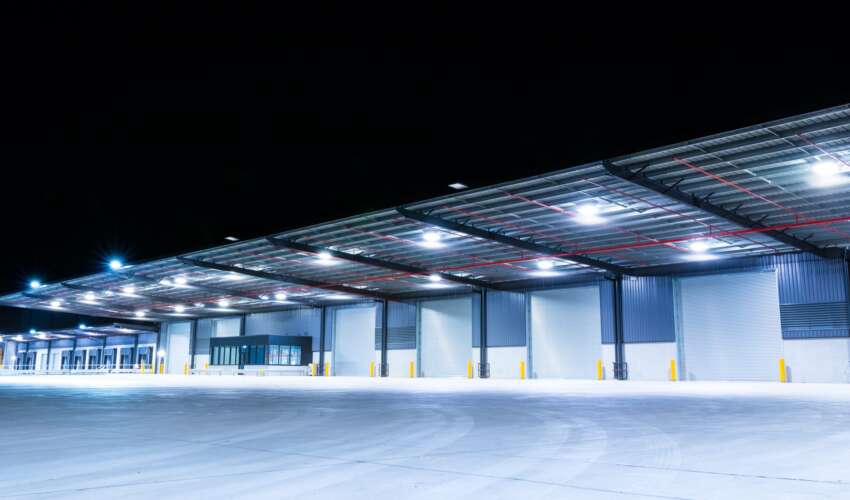
Protective Lighting Strategies For Industrial Areas Using protective lighting is a practical, cost-effective way to add a layer of security to your overall security strategy. Protective lighting delivers increased visibility for risk scenarios as well as the optimal visibility for security functions like video surveillance and guard duties. The Basics of Protective Lighting Protective lighting,…
Read More

How To Avoid Common Home Lighting Mistakes

How To Avoid Common Home Lighting Mistakes While lighting may not be the first thing that people consider when imagining or thinking of building their dream home, it’s a major design feature that must be addressed at the planning stage. The moment you choose a style and blueprint for the home, you also have to…
Read More

Industrial ports lighting

Port and marina lighting In recent years, with the rapid development of the economy, the economic level has been greatly improved, but the environment is deteriorating, to reduce the negative impact of production on the environment and develop in harmony with it. Energy saving and emission reduction has become an urgent task in the world.…
Read More

Protect your lighting from failure

Protect your lighting from failure What is a Power Surge? A power surge, or transient overvoltage, is a sudden increase in the voltage within an electrical circuit or system. During a surge, the power rises dramatically above its standard level and overloads the circuit. Voltage spikes can last for a few microseconds but reach hundreds…
Read More

UAE

  • +971 50 8518992
  • chadi@trend-yard.com
  • Bldg. 18, 20th Floor, Office 05, Jafza, Dubai, UAE

Ghana

  • +233 24 2666600
  • jad@trend-yard.com
  • Accra, Ghana

Nigeria

  • +234 803 777 7749
  • ziad@trend-yard.com
  • Lagos, Nigeria

Lebanon

  • +961 71 010193
  • chadi@trend-yard.com
  • Beirut, Lebanon