
Safe Removal of Holiday Lights
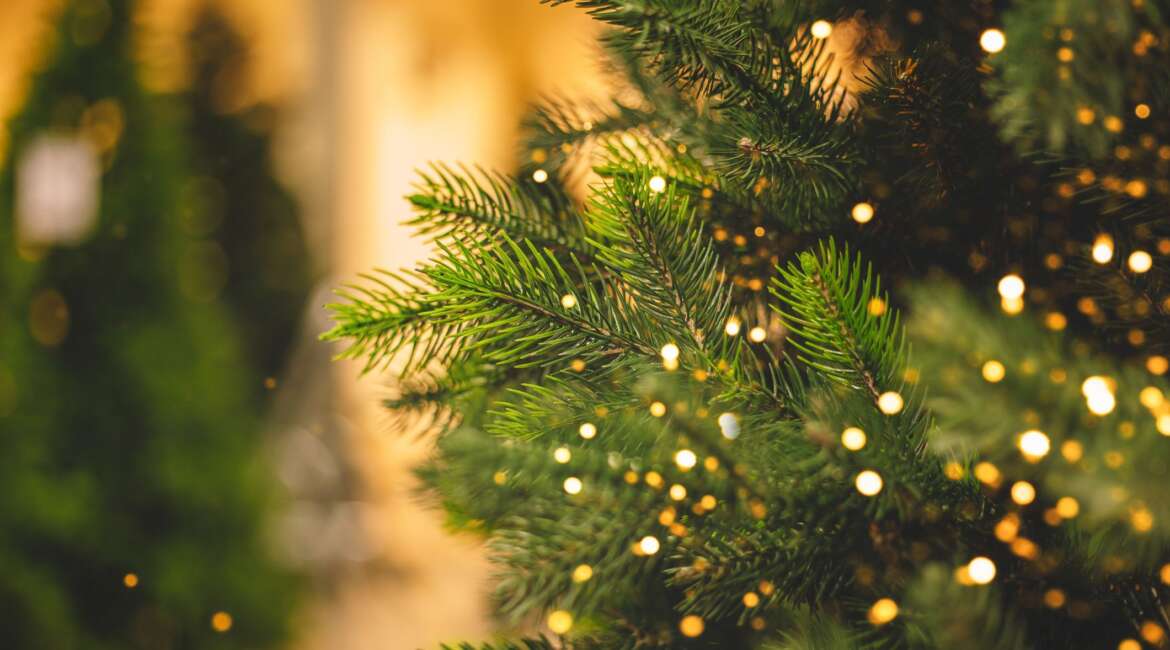
The holidays may be over, but many of us haven’t been ready to let go of the holiday lights and decorations. Many homes in town still have Christmas trees up inside and lights hung outside.
Hanging lights and decorating for the holidays is festive and fun but much like taking down the Christmas tree inside, taking down the outdoor lights is a chore that many of us dread, and the cold temperatures don’t help!
If you don’t safely remove lights from your home, you risk not only breaking the lights, but potentially causing damage to your home.
It is recommended to taking down Christmas lights within 90 days as they can become fire hazards. Holiday decorations are responsible for 790 house fires per year in the US. Therefore, leaving your Christmas Lights and other decorations for too long increases your probability of becoming a part of the statistic.
We strongly recommend that you remove your lighting after each holiday season to help preserve the life of your purchase:
Tree Growth: Trees will continue to grow no matter their size. When a wire is wrapped around the branches or trunk, the tree can become damaged as the cords will suffocate the tree. We’ve even seen some extreme examples of clients from other companies who have left their lights up, and the tree grows around the lights or cuts the trees in half! We have also seen trees that suffer scarring from lights never taken down.
Warm Weather: When you leave lights up during summer, the warm weather will damage them. Rain erodes the ends, and sunlight can make the bulbs dimmer and the wire brittle.
Wind Storms: Mother Nature damages the lights as the wind stretches the cords and blows the branches back and forth.
Wildlife: Curious animals love to chew on anything they can get their paws on. Bulbs, wire, etc.
When you remove your outdoor lights after the holidays are over, do it safely.
Suit up: Wear thick gloves and protective glasses before doing any electrical work at home.
Look up: Note whether light strands are touching power lines hanging close to your roof. If they are, do not touch! If they’re clear, use extra care when removing. Report low-hanging lines to your electric cooperative.
Unplug: If strands of lights are still connected to an outlet or each other when you start dismantling, you could get a shock. This precautionary action not only shields you from potential electrical risks but also establishes the basis for a smooth and incident-free dismantling process. By verifying that the lights are entirely powered down and unplugged, you prioritize safety and foster an environment conducive to the secure and trouble-free removal of your cherished holiday decorations.
Be gentle: Don’t tug, pull, rip, or yank lights loose. Take them down one section at a time and loop the strands around your elbow.
Inspect: Check for broken bulbs, fraying wires, and other damage. Inspect decorations after each year’s use and throw away any damaged strands.
Take your time: The weather was probably warmer when you put the lights up in November than when you take them down in January, so you might try to hurry the chore along so you can get inside where it’s warm. But if you rush, you could damage shrubs, trees, gutters, or eaves—or yourself.
When removing lights and decorations indoors, make sure to turn off all the electronics. Depending on the decoration, give it time to cool if the bulbs get warm.
Get help: Consider hiring a roofer or landscaper to hang and remove holiday lights next year. They have the proper gear and training to safely climb onto the roof and up trees, and handle electrical wires.
Remember, safety should always be a priority when working with Christmas lights. Until the next holiday season, store your lights with care, and may the memories of this year’s festivities linger warmly until the next.