
Brand Identity Lighting Tips
Interior lighting reinforces brand identity by shaping atmosphere, highlighting products, and creating memorable, consistent experiences.
Lighting plays an essential role in shaping the way people perceive and interact with your business. It’s not just about illuminating a space—it’s about creating an atmosphere that aligns with your company’s values, personality, and mission. By incorporating brand identity lighting, businesses can use light to tell a story, connect with customers, and reinforce their identity in a competitive market.
Key Strategies for Brand-Driven Lighting:
Color Temperature & Mood: Warm lighting (2700K–3000K) enhances comfort and luxury, whereas cooler, brighter white light (4000K–5000K) suggests efficiency and technological innovation.
Signage & Accent Lighting: Use backlit signage or light boxes to make logos and brand names stand out. Utilize directional spotlights to create “wow moments,” such as highlighting a unique brand product or architectural feature.
Fixture Design: Select fixtures that match the aesthetic. Sleek, minimalist fixtures align with modern tech brands, whereas chandeliers or decorative lamps align with luxury, traditional brands.
Consistency: Consistent lighting across entrance, display, and checkout areas ensures a cohesive, recognizable brand experience that strengthens customer loyalty.
Dynamic/Color-Changing Light: Incorporate LED lights that match the company’s color palette (e.g., green lighting for sustainability-focused brands) to create a multi-sensory environment.
Industry-Specific Applications:
Retail: Focus on creating a distinct, memorable experience that competes with online shopping by using bright accent lights on products to encourage.
Office/Corporate: Enhance employee morale by aligning lighting with company values (e.g., bright, natural light for wellness).
Hospitality: Create a calm, comfortable “home-away-from-home” ambiance with soft, warm lighting.
The Connection Between Lighting and Brand Identity
Why Lighting Matters in Branding
Lighting isn’t just functional; it’s emotional. It sets the tone for how a space feels, influencing customer perceptions and employee behavior. For businesses, lighting can:
- Reinforce brand values through visual storytelling
- Enhance the aesthetic appeal of spaces
- Create memorable experiences that resonate with clients and visitors
The Psychological Impact of Lighting
Light influences mood, energy levels, and decision-making. By tailoring lighting to evoke specific emotions, businesses can leave a lasting impression on their audience. Bright, cool lighting can promote focus and energy, while soft, warm lighting encourages relaxation and comfort. The key is choosing lighting solutions that align with the desired emotional response associated with your brand.
Benefits of Brand Identity Lighting Solutions
Strengthened Brand Recognition
Consistent lighting reinforces your brand’s visual identity. From the moment clients walk through the door, the lighting should communicate who you are and what you stand for. When done effectively, it can make your space instantly recognizable.
Improved Customer Experience
Lighting plays a critical role in shaping customer experiences. Thoughtful lighting can guide visitors through a space, highlight key areas, and create an environment that aligns with the brand’s promises. For example:
- Bright and engaging lighting in a tech store encourages exploration.
- Subdued, intimate lighting in a fine dining restaurant enhances the feeling of luxury.
Enhanced Employee Engagement
Employees spend a significant portion of their day in corporate spaces, and the right lighting can boost their productivity, mood, and loyalty to the brand. When the workplace reflects the company’s identity, it fosters a sense of pride and belonging.
Competitive Advantage
Companies that invest in cohesive brand identity lighting set themselves apart from competitors. Unique and visually compelling lighting can become a talking point, drawing attention to your brand and creating a distinct edge in your industry.
Steps to Align Lighting with Company Identity
1. Define Your Brand Identity
Before diving into brand identity lighting, clarify your brand’s core values, mission, and personality. Ask questions like:
- What emotions do we want to evoke?
- How do we want clients and employees to perceive our brand?
- What colors and aesthetics best represent our identity?
This foundation will guide all decisions.
2. Choose Lighting Styles That Reflect Your Brand
Every element of your lighting—from fixtures to color temperature—should align with your brand’s personality. Consider the following:
- Color Temperature:
- Warm tones (2700K-3000K): Convey comfort, intimacy, and approachability.
- Cool tones (4000K-5000K): Suggest modernity, energy, and professionalism.
- Fixture Design:
- Sleek, minimalist fixtures for a contemporary or tech-forward brand
- Ornate, decorative fixtures for a traditional or luxury brand
- Accent Lighting:
- Highlight key areas like reception desks, product displays, or branded elements such as logos.
3. Integrate Lighting with Interior Design
To create a cohesive look, lighting must complement the overall interior design. Coordinate with architects and designers to ensure that lighting enhances materials, textures, and architectural features. For example:
- Use uplighting to emphasize a dramatic ceiling design.
- Install LED strips to accentuate branded colors on walls or signage.
4. Leverage Dynamic Lighting Solutions
Dynamic lighting systems, such as tunable white LEDs or RGB lighting, allow for flexibility in creating different moods and adapting to various scenarios. This is particularly useful for:
- Hosting events or presentations
- Adjusting lighting based on the time of day
- Creating seasonal or promotional displays
5. Incorporate Smart Lighting Controls
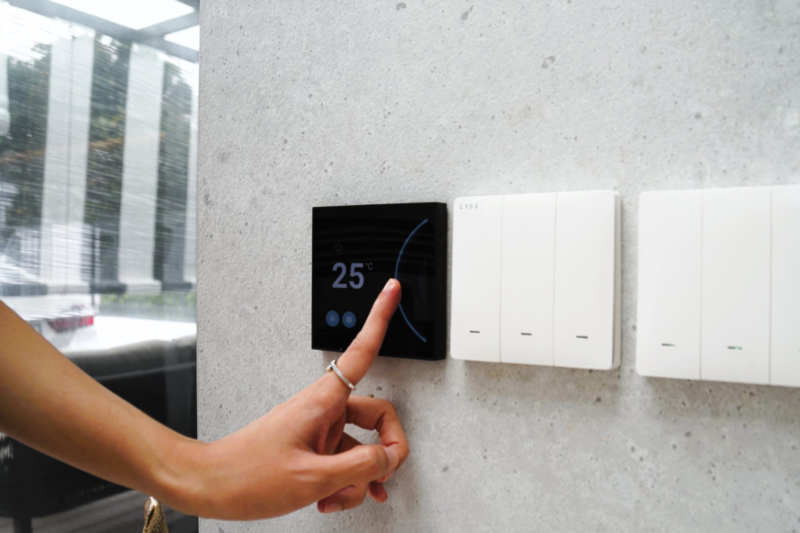
Smart lighting systems enable businesses to automate and customize their lighting. Features like dimming, color tuning, and motion sensing allow for greater precision and energy efficiency while maintaining brand consistency.
Pro Tip: Smart controls can also be integrated with IoT systems, enabling seamless management and adaptability for multi-location businesses.
6. Test and Refine
Before finalizing your lighting plan, test it in the actual space. Gather feedback from employees, clients, and stakeholders to ensure it meets functional and emotional objectives. Adjust as needed to perfect the look and feel.
Common Challenges and How to Overcome Them
Budget Constraints
While high-quality lighting systems can be an investment, the long-term benefits—from enhanced customer loyalty to energy savings—make them worthwhile. To manage costs effectively, consider phased implementations or explore financing options.
Balancing Aesthetics and Functionality
Striking the right balance between aesthetic appeal and practicality is key. Work with experienced lighting professionals to ensure you meet branding and functional needs.
Adapting to Different Spaces
Consistency can be challenging if your company operates in multiple locations. Establish a universal lighting strategy for minor adaptations based on individual spaces.
The Future of Brand Identity Lighting
As technology evolves, brand identity lighting becomes increasingly innovative and accessible. Trends such as:
- Interactive Lighting Displays: Engage clients with immersive experiences.
- Sustainable Solutions: Use energy-efficient LEDs and daylight harvesting to meet environmental goals.
- Personalized Experiences: Tailor lighting to individual customer preferences using AI and IoT technology.
These advancements will allow businesses to create more meaningful connections with their audiences, making lighting a cornerstone of corporate branding.