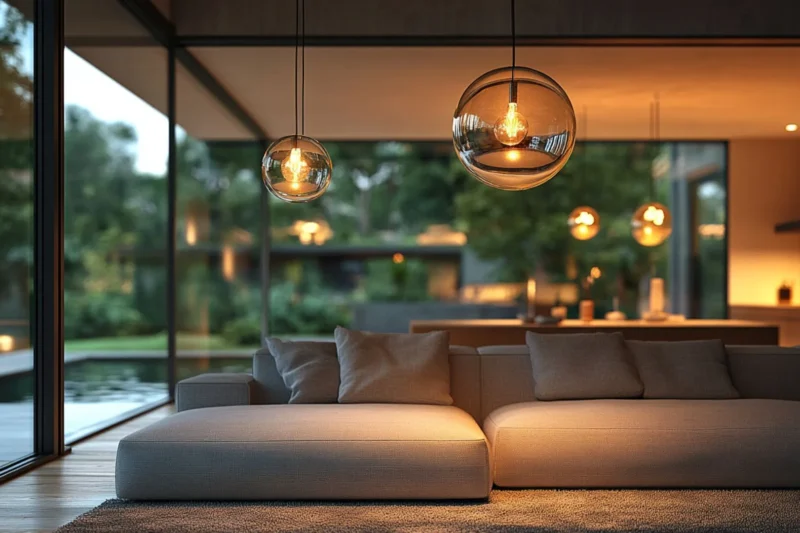

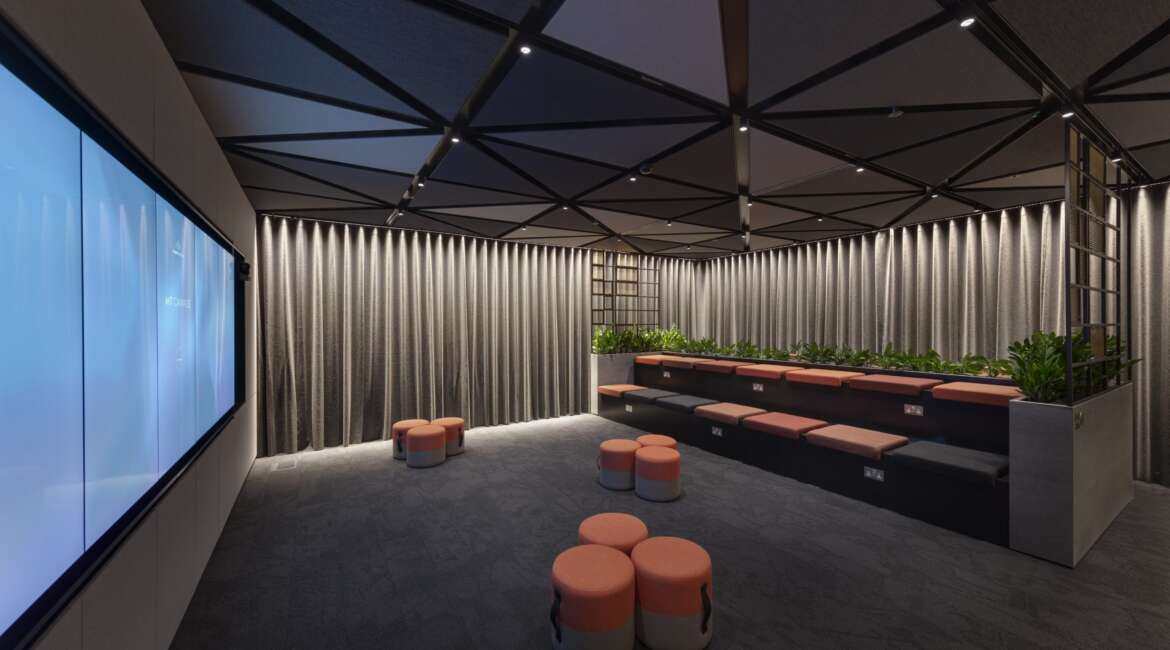
Decorative Ceiling Layouts Integrated with Lighting
Decorative ceiling layouts integrated with lighting create a captivating, high-end atmosphere by blending structural texture with human-centric illumination. Whether you are designing a commercial space, a biophilic retail store, or an industrial interior, the choice of ceiling style dictates how light reflects, diffuses, and shapes the room.
1.Modern Industrial Mesh Ceilings
Integrating modern lighting with expanded metal mesh panels offers an edgy, transparent layer that plays with shadows and depth.
• Backlit / Subdued Glow: Placing continuous LED strips above the wire mesh creates a softened, diffused ambient layer. The light filters down safely, cutting glare while highlighting the industrial pattern of the metal.
• Integrated Gimbals: For targeted task lighting, triple-gimbal adjustable downlights can be recessed neatly through or flush with the mesh grid modules.
• Tone Matching: Pair stainless steel mesh with cooler light temperatures for a sterile, futuristic look. Choose brass or bronze mesh to bounce warmer light tones for hospitality or lounge environments.
2. High-End Architectural Track Systems
To maintain a clean ceiling line while staying adaptive, utilize ultra-low-profile, smart tracking networks that double as geometric decorative elements.
• Seamless Infrastructure: Systems like the Artemide Turn Around feature standard plasterboard-depth tracks. These allow continuous linear modules, precise spot projectors, and suspension pendants to run down the same safe, 48V structure.
• Deceptive Surface Mounts: The Flos Zero Track profile is engineered so thin that it mimics a recessed installation completely. It snaps tightly onto hard or suspended ceilings. It runs architectural accent modules like the Atom or Find Me spotlights to illuminate focal features discretely.
• Layered Controls: High-end magnetic tracks support independent circuit controls. You can wash a vertical textured wall with light, dim the center ambient modules, or spotlight standalone decor pieces simultaneously.
3. Aesthetic Lighting for Biophilic & Commercial Spaces
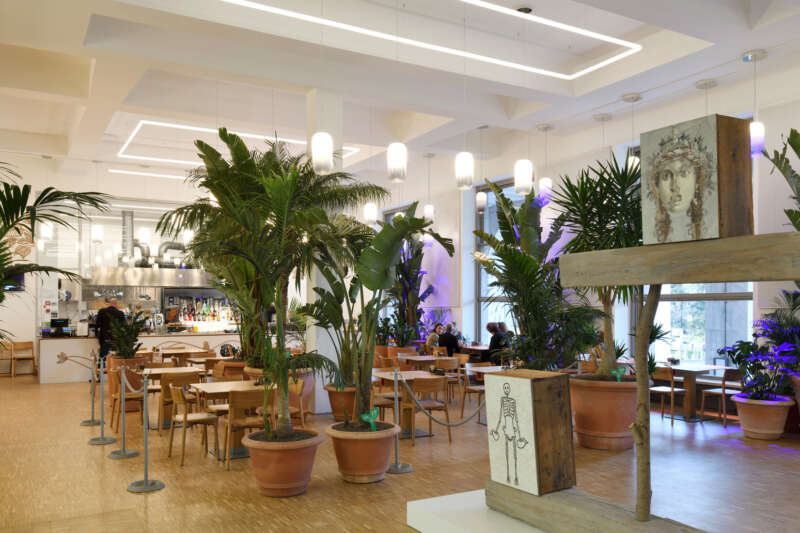
When your interior heavily incorporates organic elements, wood beams, or indoor plants, your ceiling lighting must adapt to feel warm and human-centric.
• Linear Grid Channels: Use specialized grid bracket systems from manufacturers to nestle zero-plenum linear lights perfectly centered inside ceiling grid modules. This provides a clean, uninterrupted visual that looks entirely structural.
• Hidden Perimeter Coves: Implementing a pre-built perimeter system drives 90% of its illumination softly down the wall plane while letting 10% escape into the ceiling pocket. This technique washes your vertical surfaces in light, makes ceilings appear higher, and hides the physical fixtures from sight.
• Dynamic Scenarios: Utilize tunable-white LED technologies (ranging from 2700K to 6500K). These let you adjust your environment dynamically to match natural daylight cycles or evening moods.
4. Statement Decorative Fixtures
If you are looking for standalone decorative flush-mount or pendant units with mesh or artistic elements to mount directly to an existing ceiling, consider these options:
The choice of ceiling material determines how you can route wiring, recess fixtures, and distribute light.
Here is how the most common ceiling materials alter your lighting and design options:
1. Plasterboard / Drywall
This is the most flexible material for seamless, high-end architectural lighting integration.
• Lighting Options: Supports trimless recessed downlights, completely flush magnetic tracks, and deep perimeter cove pockets.
• Wiring Setup: Easy to cut, patch, and hide structural drivers or wire runs behind the smooth surface.
• Visual Effect: Creates a clean, minimalist plane where the focus remains purely on the light effects rather than the hardware.
2. Suspended Grid / Acoustic Tiles
Ideal for commercial spaces, offices, or basements where quick access to mechanical utilities is necessary.
• Lighting Options: Fits standard architectural layout fixtures, such as 2×2 or 2×4 LED troffers, and specialized “on-grid” linear light channels.
• Wiring Setup: Highly accessible. Wires and power supplies rest safely on top of the drop-grid system out of sight.
• Visual Effect: Very functional and structural but can look clinical if standard industrial panels are used instead of architectural regular tiles.
3. Exposed Concrete / Structural Slabs
Common in industrial lofts, brutalist architecture, and modern retail environments.
• Lighting Options: Requires surface-mounted low-profile tracks (like the Flos Zero Track), rigid pendant drops, or structural conduit grids.
• Wiring Setup: Wiring cannot be hidden inside the material. It must run through exposed EMT conduits or metal junction boxes, which become part of the decor.
• Visual Effect: Raw, edgy, and heavy. Bounding light off a dark or rough concrete surface absorbs more illumination, requiring brighter fixtures.
4. Timber / Wood Planks & Beams
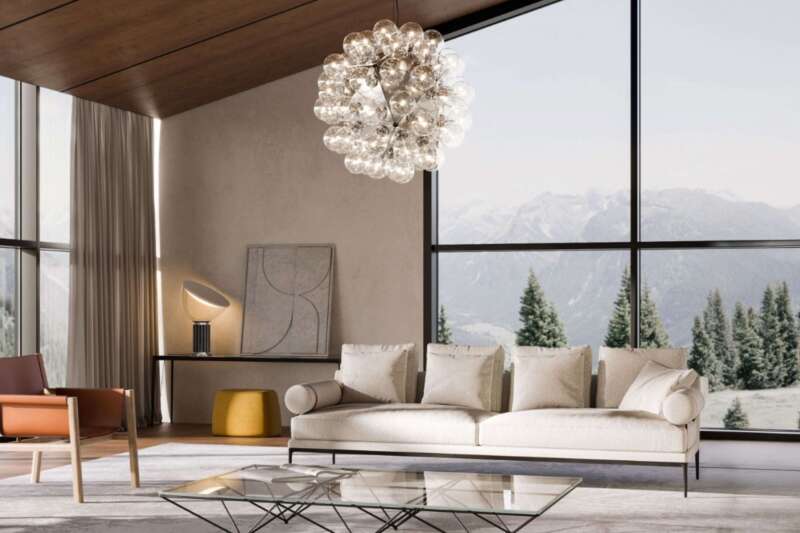
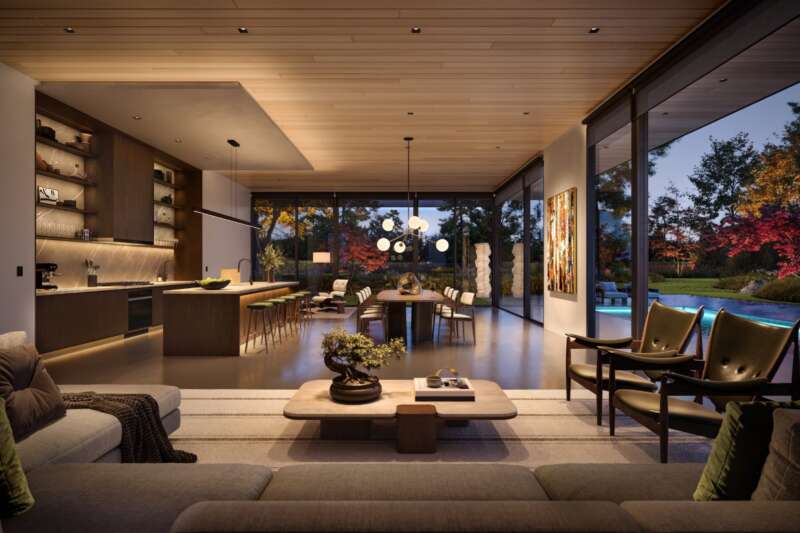
Adds immense warmth and biophilic texture to residential spaces, luxury hospitality, or lounges.
• Lighting Options: Excellent for linear wood-slat fixtures, hidden LED accent strips between beams, or mini-aperture recessed pinspots.
• Wiring Setup: Requires careful planning. Wires must be routed through pre-drilled channels in the timber or hidden in the gaps between slats.
• Visual Effect: Bounces warm light tones beautifully. Wood ceilings paired with warm-dimming LEDs (2700K down to 1800K) create an incredibly cozy atmosphere.