
Mix Track Lighting with Industrial Ceilings
To mix contemporary lighting with industrial ceilings, you must balance raw architectural elements with clean, refined fixtures. The goal is to use the lighting to soften the harshness of the ceiling while highlighting its unique texture.
Core Strategies
Layer your light levels. Combine ambient, task, and accent fixtures.
Contrast raw with refined. Pair exposed concrete or mesh with sleek geometries.
Utilize black track systems. They visually disappear into dark, open structures.
Drop the mounting heights. Bring pendants down to create intimate occupied zones.
Aim light upward. Illumination softens heavy overhead steel or wood joists.
Fixture Selection Guide
Architectural Track Systems
Flexible track layouts allow you to navigate around exposed duct-work, pipes, and structural beams. Use minimalist, slim profiles with adjustable accent spots to precisely highlight furniture groupings, artwork, or structural features below.
Statement Pendants
Suspended glass globes, thin linear tubes, or oversize sculptural rings provide a stark, elegant contrast to the hard angles of industrial spaces. Dropping these fixtures low helps define specific functional zones, like dining areas or lounge spaces, within large open layouts.
Uplighting & Sconces
Placing subtle uplights along columns or mounting half-moon sconces on brick surfaces redirects light onto the ceiling structure. This technique makes low industrial ceilings feel taller and transforms raw materials like concrete or mesh into a dramatic design feature.
Fixture Selection Guide
Obstruction Management: Always drop fixtures completely below the lowest running duct or plumbing line to ensure an even, uninterrupted glow across the room.
Secure Mounting Systems: Use rigid metal conduits or threaded rods instead of loose, flexible cables to prevent fixtures from swaying due to HVAC airflow.
Color Temperature Control: Stick to warm-neutral light tones between 2700K and 3000K to soften the cold, stark feel of industrial metals and concrete.
Diffused Light Sources: Select fixtures featuring frosted glass or integrated LED lenses to eliminate harsh glare reflecting off polished concrete floors or metallic surfaces.
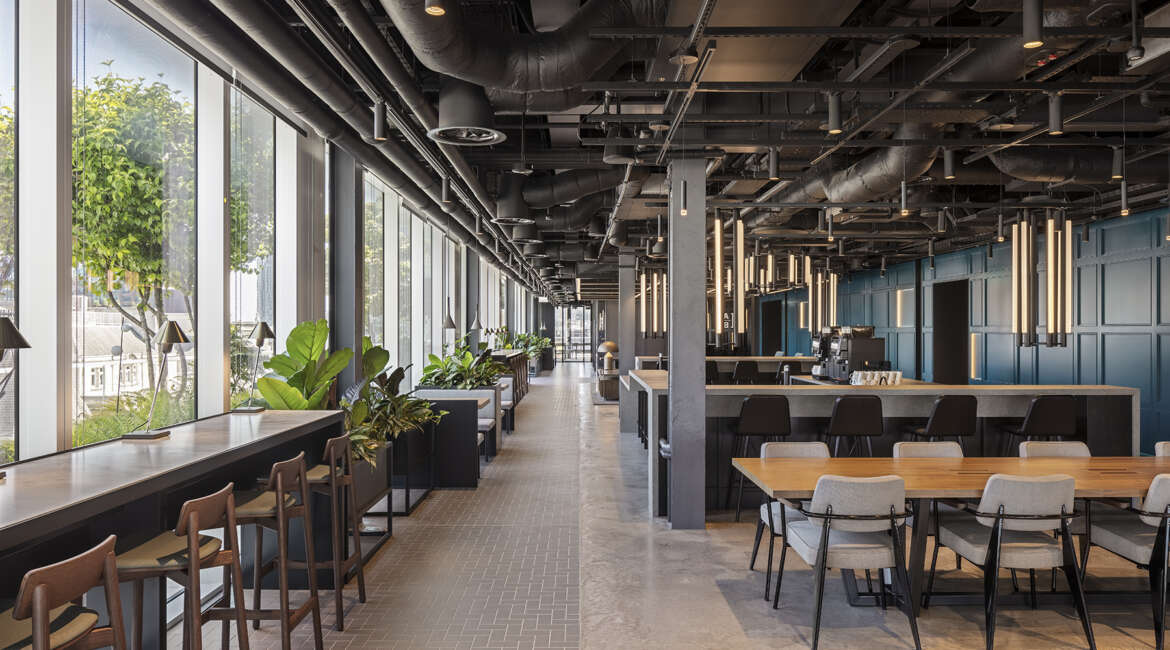
Installing track lighting between exposed ceiling pipes creates a striking industrial aesthetic while hiding or accentuating utility structures.
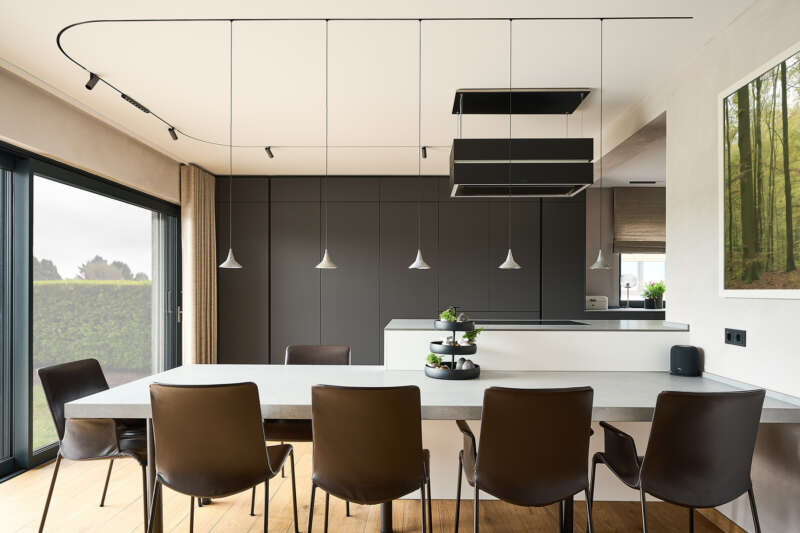
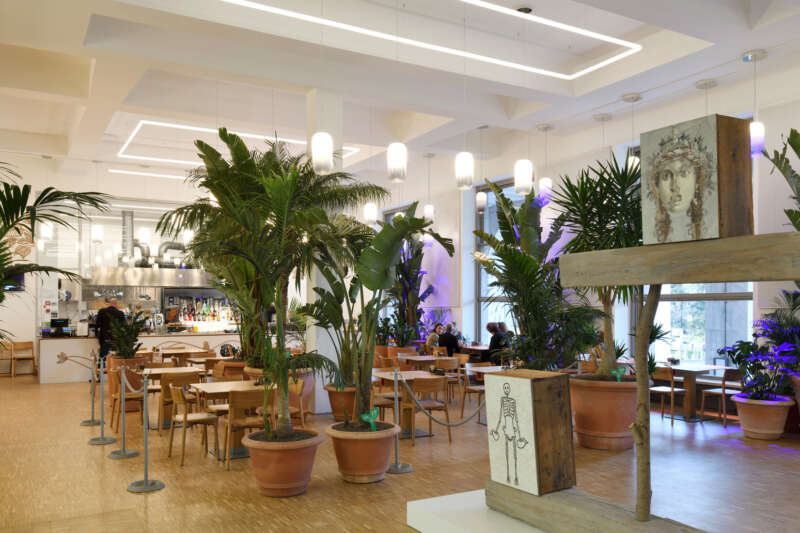
Here are examples of how this layout looks in modern spaces:
Key Installation Steps & Tips
Drop the Track Depth: If pipes or HVAC ducts sit lower than the ceiling structural slab, do not flush-mount the tracks. Use pendant suspension kits or threaded rods to drop the tracks so the light heads hang below or clear the bottom of the pipes, preventing unwanted shadows.
Run Parallel Paths: Install tracks precisely parallel to the longest pipe runs to maintain clean, geometric sight-lines.
Utilize Cable Trays or Unistrut: For spaces with heavy plumbing or complex ductwork, mounting tracks directly to Unistrut channels or metal framing provides a sturdy, highly adjustable base that blends perfectly with an industrial look.
Match Metals and Finishes: Use matte black track rails and light fixtures to create a sharp contrast against silver galvanized steel pipes, or use raw aluminum/silver tracks to seamlessly blend into the plumbing system.
Mind the Beam Angle: Use adjustable spot or flood heads that can be pivoted away from nearby pipes. This prevents the metal surfaces from creating harsh, blocky shadows across your living spaces.
Conclusion
Ask yourself before doing the project:
What is your ceiling material? (concrete slab, open wood joists, drywall?)
How far do the pipes drop down from the ceiling?
What color finish are you planning for the fixtures?