
Lighting And Macular Degeneration
The relationship between lighting and age-related macular degeneration (AMD) centers on two critical pillars: risk management and visual optimization. While certain types of high-energy light can contribute to cumulative retinal stress, carefully tailored environmental lighting is the most vital tool for maintaining independence and quality of life for individuals living with AMD.
1. Light as a Potential Risk and Stress Factor
Proper lighting adjustments cannot cure, halt, or reverse the biological progression of macular degeneration. However, specific wavelengths and intensities are closely studied regarding retinal health:
- UV and High-Energy Blue Light Wavelengths: Blue light (roughly 400 to 500 nanometers) penetrates deeply into the eye, reaching the retina. As we age, our eyes naturally lose protective melanin and macular pigments (lutein and zeaxanthin) that act as an internal shield. Prolonged, excessive exposure to high-energy blue rays—primarily from intense, unfiltered sunlight—induces oxidative stress in retinal cells, which may accelerate macular aging in genetically predisposed individuals.
- The Screen vs. Sunlight Reality: Although electronic screens emit blue light, clinical consensus indicates that domestic LEDs and digital devices do not emit high enough intensities to be inherently toxic to the human retina under normal use. The most severe oxidative threats come from direct sunlight or heavy outdoor ambient light pollution.
- The Glare Hazard: Macular damage impairs the eye’s ability to tolerate sudden contrasts. Unshielded light bulbs or direct sunlight streaming through a window scatter inside the eye, causing painful glare that temporarily blinds the remaining functional vision.
2. Light as a Crucial Low-Vision Utility
As AMD diminishes central, detailed vision, the biological requirement for illumination spikes drastically. An average 60-year-old with a sight loss condition requires roughly six times more light than a healthy 20-year-old to complete identical visual tasks like reading or writing. Designing an optimal environment requires balancing high brightness with strict glare control:
- High-Lumen Direct Task Lighting: For reading or detailed work, individuals with AMD should use flexible arm lamps that project 800 to 1,000 lumens of focused light directly onto the page from behind the shoulder. This eliminates shadows and boosts text contrast. Highly customizable products are explicitly designed for low-vision conditions by providing tactical intensity adjustments.
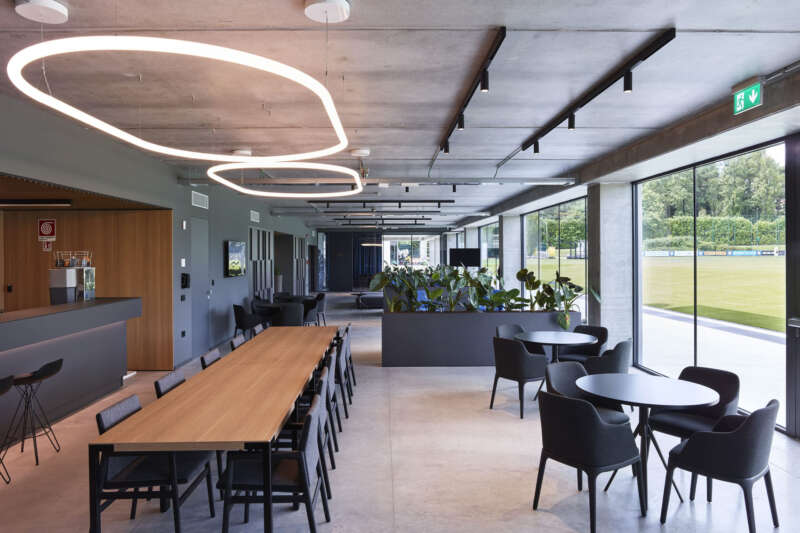
- Uniform Ambient Balancing: Leaving a single reading lamp on in a pitch-black room forces the eyes to constantly strain against severe contrast borders. General home lighting must be bright, uniform, and consistent from room to room to prevent the eyes from needing to painfully readapt as a person moves through a hallway or down stairs. Large-panel architectural fixtures uniform light both upward and downward to bounce smooth, glare-free light across a space.
- Optimal Color Temperatures: Cool white daylight spectrums (4000K to 5500K) maximize text clarity and contrast for day-to-day work. However, because the blue spike in cool lights can be uncomfortable for highly sensitive eyes, fixtures incorporating full-spectrum LEDs or “warm dimming” capabilities allow users to dial down to softer, amber-toned hues when relaxing.
Practical Ways to Fix Glare and Light Sensitivity
To manage this discomfort and make a living space safer, you can implement several simple architectural and lifestyle adjustments:
Window Modifications
- Install Sheer or Solar Shades: Solid, dark blinds create harsh, high-contrast stripes of blinding light and deep shadow. Instead, use light-filtering solar shades or sheer curtains that diffuse harsh sunlight into a soft, uniform glow without making the room pitch black.
- Rearrange Seating Layouts: Position primary chairs, couches, and desks so that the person sits perpendicular to or with their back to windows. They should never face a window directly while reading, watching television, or conversing.
Fixture and Bulb Adjustments
- Eliminate Exposed Bulbs: Swap out any contemporary fixtures that feature clear glass shades or bare bulbs. Choose fixtures with frosted glass, fabric shades, or deep baffles that completely hide the light source from direct line of sight.
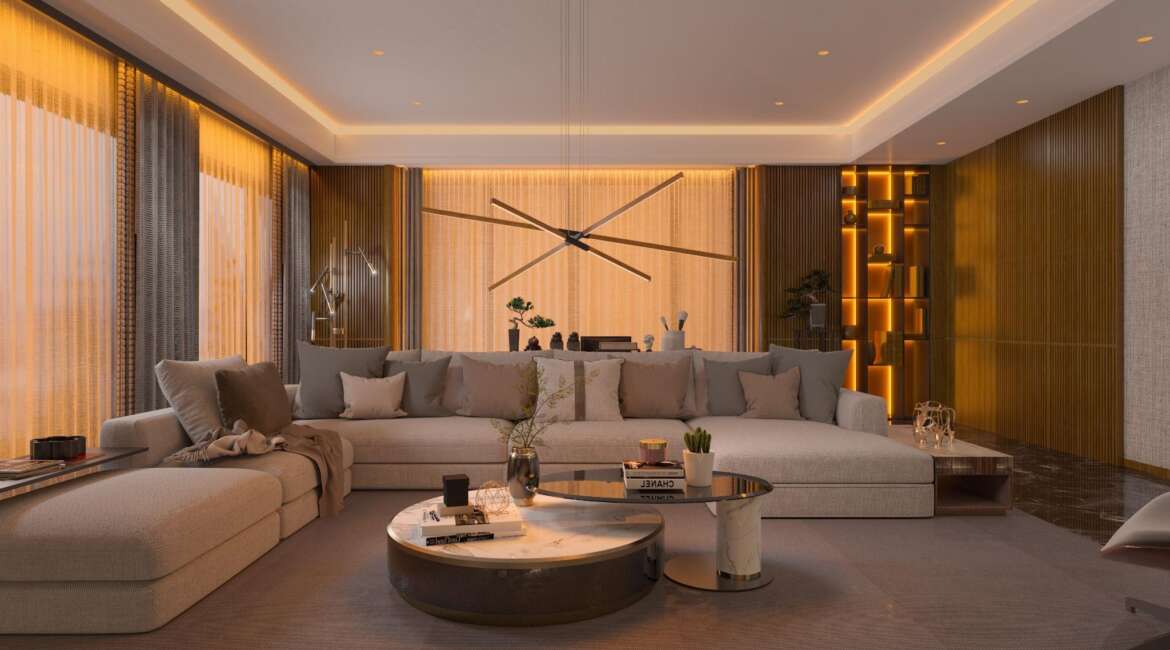
- Bounce the Light (Indirect Lighting): Use uplighting techniques, such as floor torchiere lamps or hidden LED cove strips, that cast light upward against the ceiling. The ceiling acts as a massive, gentle reflector, filling the room with ambient light without creating localized hot spots of glare.
- Switch to Matte Surfaces: Bright, direct light reflections off polished glass tabletops, glossy countertops, or shiny wood floors can be just as painful as looking at a bulb. Introduce matte-finish rugs, tablecloths, or desk pads to absorb these reflective bounces.