
Modern vs Contemporary Lighting
Choosing between modern vs contemporary for your home is all about the latest trends and styles. You can find everything from sleek designs to bold statement pieces whether you’re updating or starting fresh.
Modern Lighting: Key Takeaways
- Modern lighting can enhance the overall aesthetic of your home
- It is about finding the perfect balance between style and functionality
- There are countless modern lighting trends and stylish lighting options to choose from
- Upgrading your existing lighting can make a significant difference in your home’s atmosphere
The right lighting for modern homes is key. It affects both the look and feel of a room. Modern lighting trends change often, so it’s important to know what’s new. Look at what to consider when picking the best lights for your home.
First, understand the basics of modern lighting. Think about what kind of light each room needs. Lighting options for modern homes can be simple or eye-catching. Knowing these basics helps you choose the right lights for your space.
Some popular modern lighting trends include:
- Sleek and minimalist fixtures
- Energy-efficient LED lighting
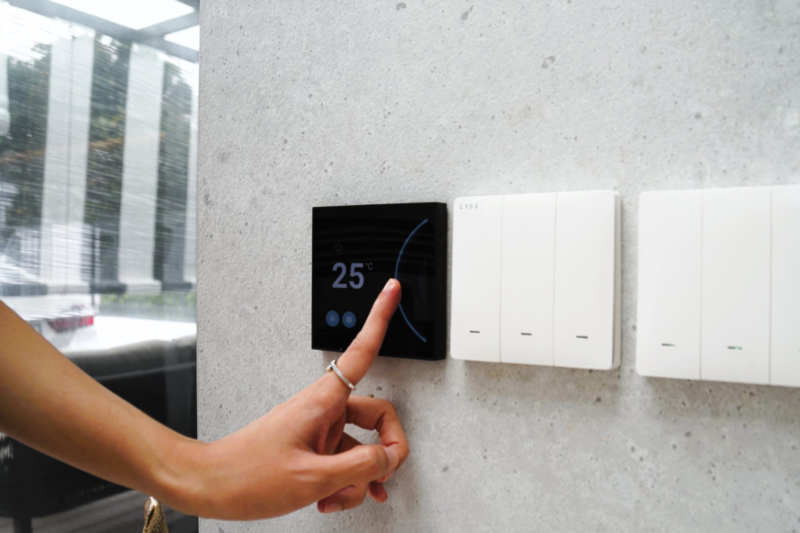
- Smart lighting integration
These trends bring benefits like saving energy and improving mood. Adding them to your lighting design makes your space both useful and beautiful.
When exploring modern lighting, think about your style and your home’s needs. The right lights can make your home unforgettable. Keeping up with modern trends helps you create a space that looks great and works well.
Modern lighting can greatly enhance your home’s look, blending style with function.
Contemporary Lighting
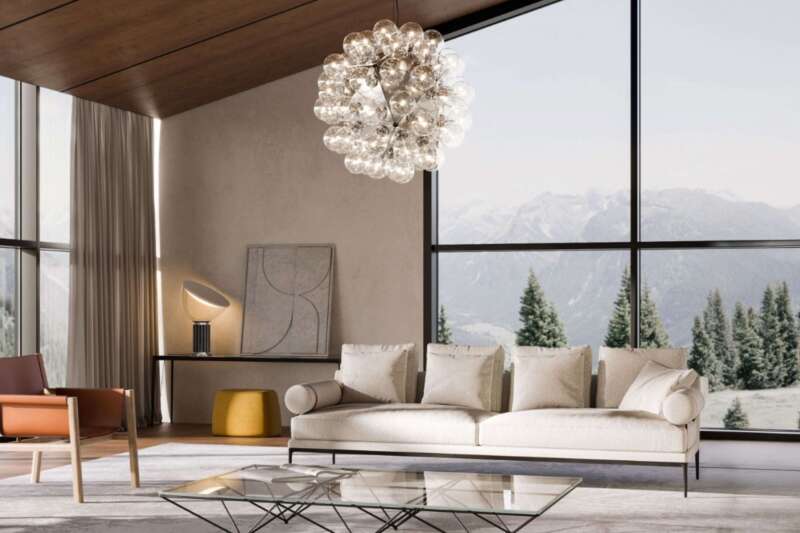
Contemporary lighting bridges innovative technology with sculptural design to create functional art that transforms living spaces. Modern design aesthetics rely on clean lines, architectural materials, and integrated, energy-efficient LEDs to provide customizable layers of ambient, direct, and indirect light.
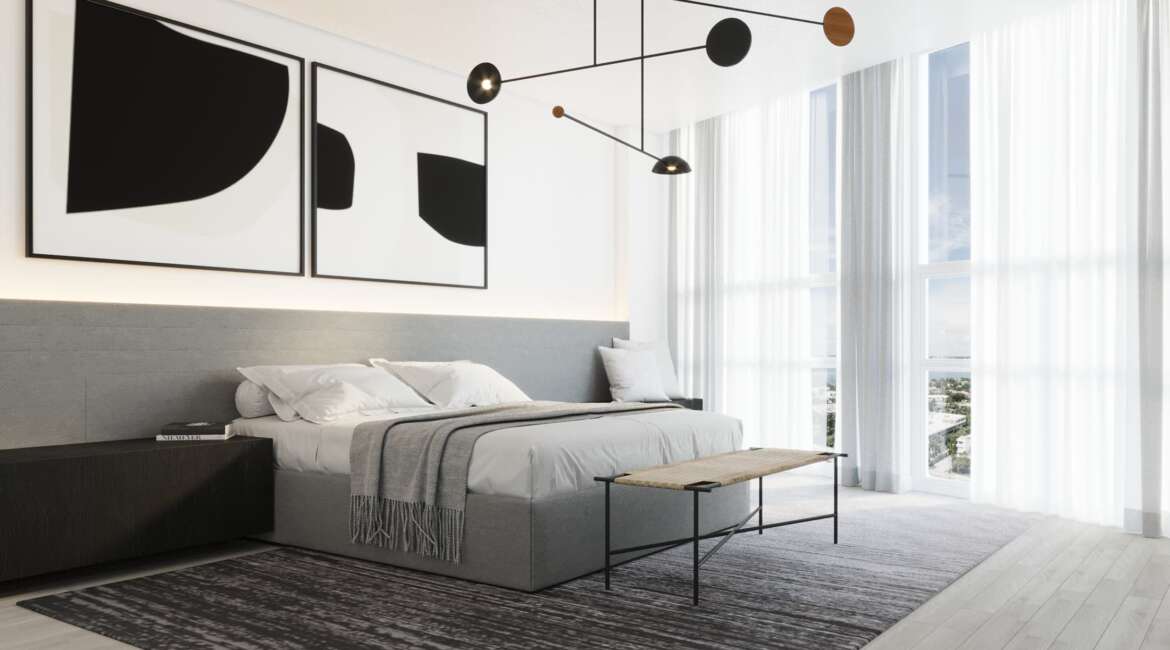
It is defined by clean lines, innovative technology, and a focus on minimalism and functional art. Unlike traditional styles that rely on heavy ornamentation, contemporary designs emphasize sleek geometry, hidden light sources, and materials like brushed metals, hand-blown glass, and matte ceramics.
Here is a breakdown of how contemporary lighting functions, the technologies it uses, and how to apply it to a space.
Core Design Philosophy
- Form Follows Function: Fixtures double as sculptural art when turned off, and engineered light delivery systems when turned on.
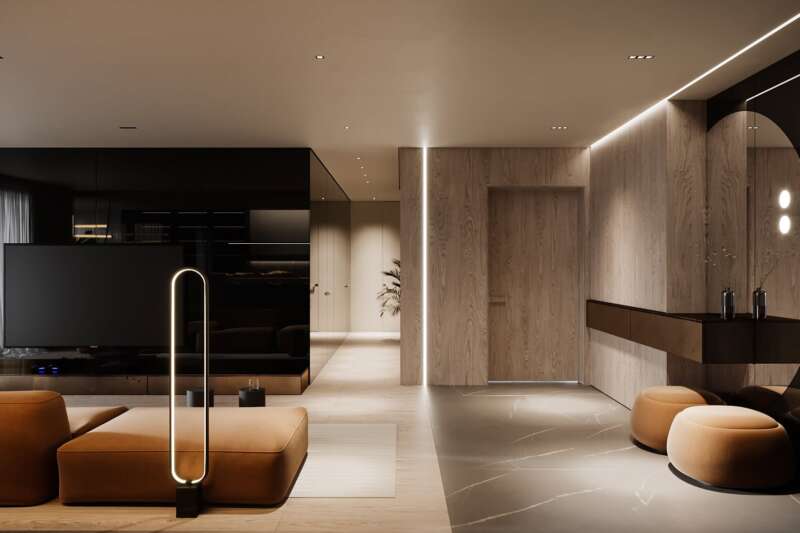
- Minimalist Profiles: Drivers and hardware are often hidden inside ceilings or walls to maintain a clean, uninterrupted look.
- Geometric & Organic Shapes: Designs favor perfect circles, crisp linear tracks, or fluid, asymmetrical curves inspired by nature.
- Textural Contrast: Fixtures frequently mix contrasting materials, such as raw concrete bases with delicate glass globes, or matte black steel with warm brass accents.
Technological Innovations
- Integrated LEDs: Instead of using screw-in bulbs, contemporary fixtures build tiny light-emitting diodes directly into the design. This allows for ultra-slim, razor-thin shapes that were physically impossible with traditional light bulbs.
- Advanced Dimming & Tuning: Contemporary systems often feature “Warm Dim” technology (which mimics the cozy glow of incandescent bulbs when dimmed) or tunable white technology (allowing you to switch from crisp, energizing daylight at noon to a warm amber glow at night).
- Smart Home Ecosystems: Most modern fixtures seamlessly integrate with automation platforms like Lutron, Apple Home, or Google Home for automated scheduling and custom lighting “scenes.”
- Indirect Illumination: Designers use hidden LED strips, bounced light, and frosted diffusers to eliminate harsh glares and hot spots, creating a soft, uniform wash of light across surfaces.
- The Three Layers of Contemporary Lighting
To properly illuminate a modern space, designers layer three distinct types of light:
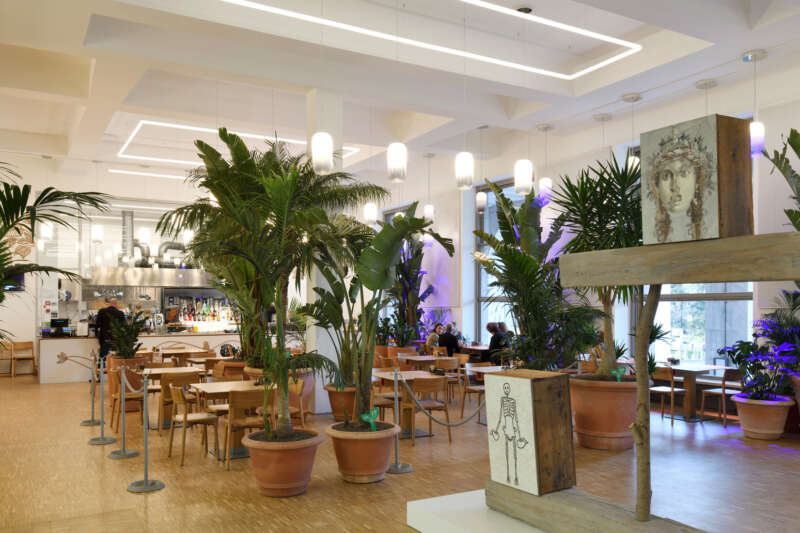
- Ambient (General): The foundational layer. In contemporary design, this is achieved through slim architectural recessed cans, flush-mount discs, or large, diffused pendants that fill the room with soft light.
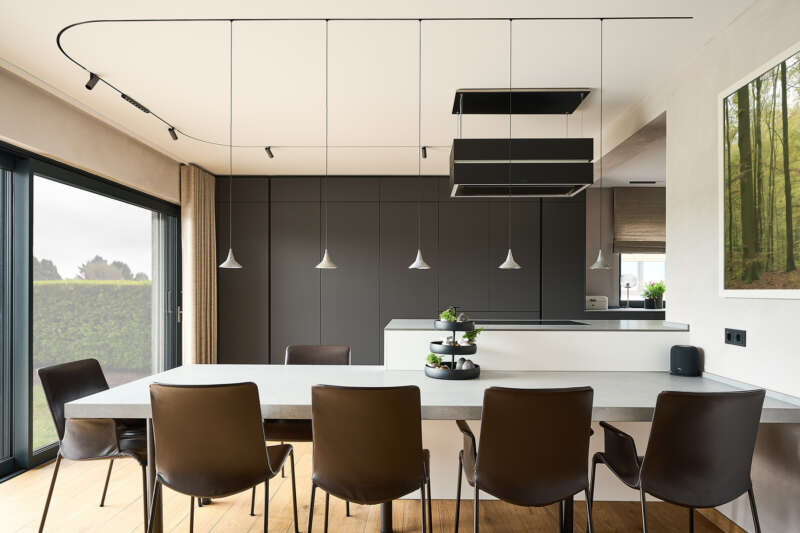
- Task (Focused): Directional light for specific activities. Examples include ultra-slim linear pendants over a kitchen island, adjustable magnetic track heads, or articulated bedside reading sconces.
- Accent (Decorative & Sculptural): Light used to highlight architecture, art, or the fixture itself. This includes hidden LED toe-kick lighting under bathroom vanities, under-cabinet ribbons, or a dramatic, oversized geometric chandelier.
Key Similarities
Despite their differences, both styles share several core principles:
- Minimalist Aesthetics: Both avoid heavy, ornate, or cluttered designs.
- Open Spaces: Both prioritize a clean, unburdened look that enhances the openness of a room