
Preparing Your Lighting For The Fall Season
Preparing your lighting for the fall season centers on combating early sunsets and gray afternoons by maximizing warmth, adding targeted task lighting, and eliminating harsh shadows. As natural daylight drops off, shifting from a bright summer setup to a layered, cozy autumn strategy keeps spaces feeling energetic during the day and deeply relaxing at night.
Optimizing a home for the autumn transition relies on three primary design steps:
1. Shift Toward Warmer Color Temperatures
The Problem: Summer design relies on natural, bright sunshine and cool ambient tones. In contrast, the crisp, overcast skies of autumn can make standard white lighting look cold, sterile, and uninviting.
The Fix: Swap out standard 3000K or 4000K bulbs in relaxation areas for warmer options in the 2200K to 2700K range.
The Modern Approach: Install “Warm Dim” LED bulbs or fixtures [1.1]. These look crisp and bright during the day, but automatically shift to a deep, amber, candle-like glow as you lower the dimmer switch in the evening.
2. Focus Light Low and Indirect
The Problem: Flooding a room with intense overhead ceiling light after a 5:00 PM sunset disrupts the body’s natural circadian rhythm, causing eye strain and a harsh, clinical environment.
The Fix: Turn off the recessed ceiling cans after dark. Rely instead on fixtures placed at or below eye level—such as floor lamps, table lamps, and wall sconces—to cast light across walls and ceilings.
The Modern Approach: Use portable, rechargeable LED lanterns or cord-free table lamps. These allow you to move a warm, intimate glow to dining setups, reading nooks, or covered outdoor patios without dealing with messy cords.
3. Add Dedicated Task Lighting for Darker Afternoons
The Problem: Early autumn twilight makes it difficult to read, cook, or work comfortably without straining your eyes.
The Fix: Position directional task lights precisely where activities happen. A good reading lamp should deliver focused illumination from behind your shoulder directly onto the page, reducing glare and boosting text contrast.
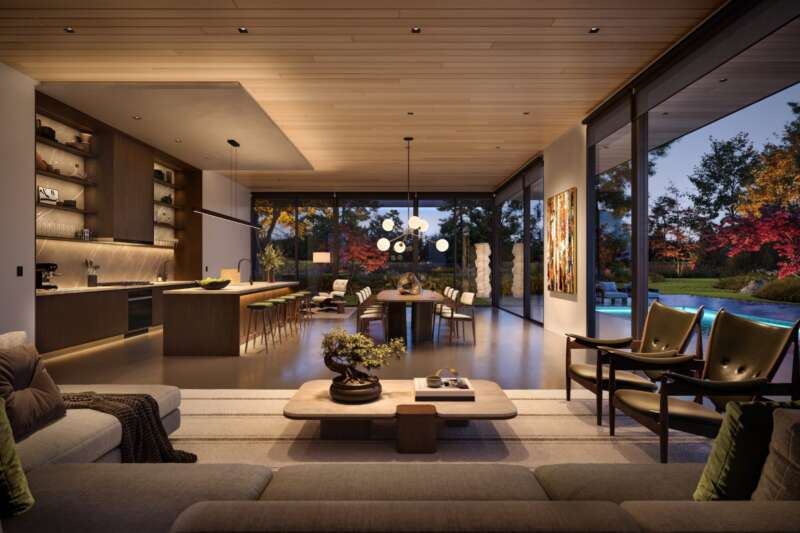
The Modern Approach: Introduce slim linear suspension pendants over kitchen islands or modern, adjustable desk lamps featuring full-spectrum LEDs to keep workspaces highly functional even on gray, rainy afternoons.
Do you prefer plug-and-play additions (like floor lamps and smart bulbs) or are you considering a permanent fixture swap?
Why Choose Plug-and-Play Additions (Floor Lamps & Smart Bulbs)
This is the fastest, most flexible way to instantly change the mood of a room as the days get shorter.
Instant Circadian Lighting: Adding smart bulbs (like Philips Hue) to your existing lamps lets you program them to mimic the sun. They can emit crisp, bright light at 8:00 AM on a gray morning, and automatically transition to a rich, amber, fireplace-like glow by 5:00 PM.
Lowering the Light Level: Bringing in new portable table lamps or a sculptural floor lamp allows you to turn off harsh overhead ceiling fixtures completely. Lighting a room from eye-level down creates an instant sense of warmth and intimacy.
No Installation Stress: You can completely transform a dark reading corner or bedroom in five minutes without hiring an electrician or opening up your walls.
Why Choose a Permanent Fixture Swap
This route is ideal if you want to fix structural lighting issues that a portable lamp cannot solve.
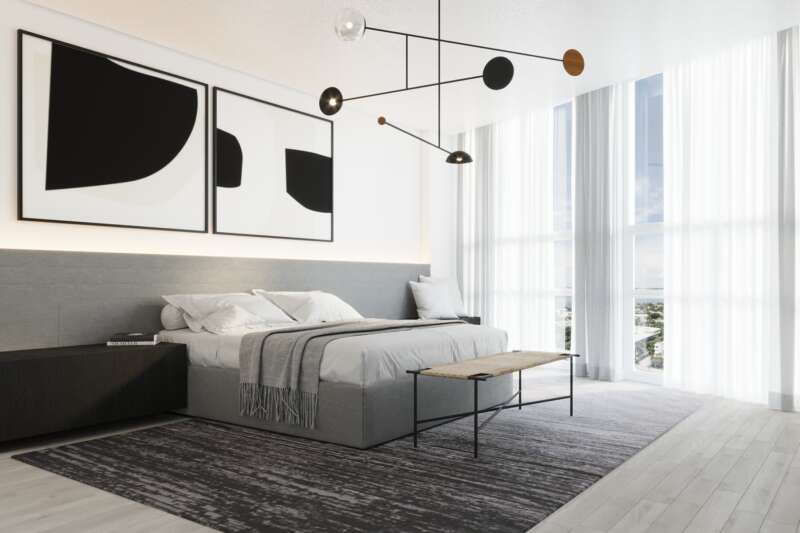
Upgrading the Central Focus: Swapping an outdated dining room or entryway light for a contemporary statement pendant with integrated “Warm Dim” LEDs completely resets the architectural tone of the home for hosting seasonal gatherings.
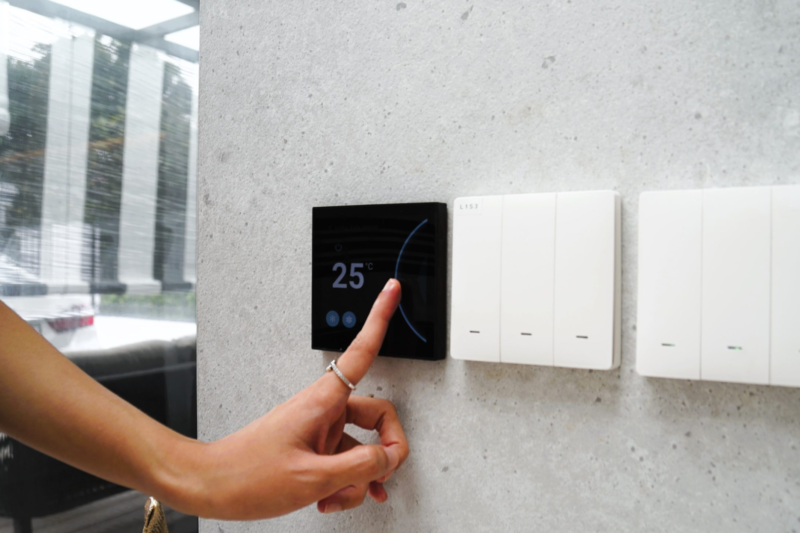
Eliminating Shadows: Replacing standard wall switches with smart dimmers or adding permanent, low-profile wall sconces can wash dark, shadowy hallways with a continuous, safe, glare-free glow.