
Full Lighting Renovation or A Simple Fixture Swap
Choosing between a full lighting renovation and a simple fixture swap depends on budget, timeframe, and structural goals. Deciding on the right path requires evaluating the current space against specific project needs.
1. Assess the Scope of the Lighting Problem
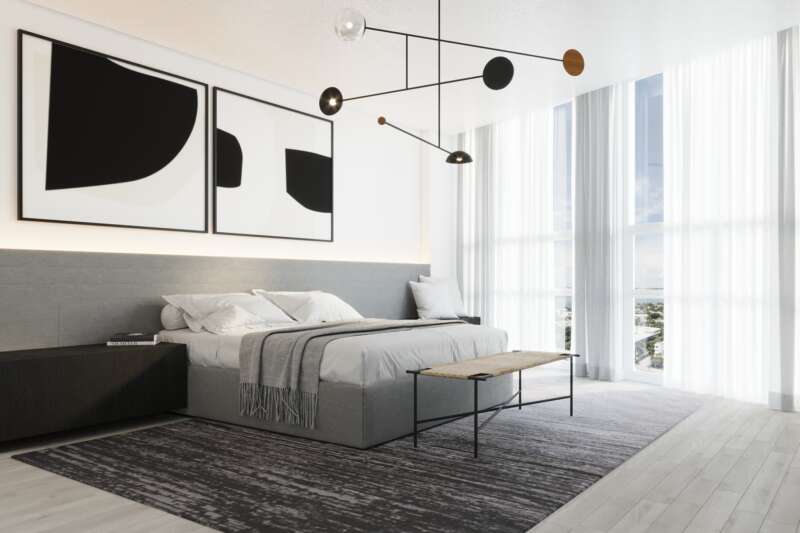
- Swap a single fixture if the current light layout works well, but the existing piece looks outdated or fails to match the room’s design style.
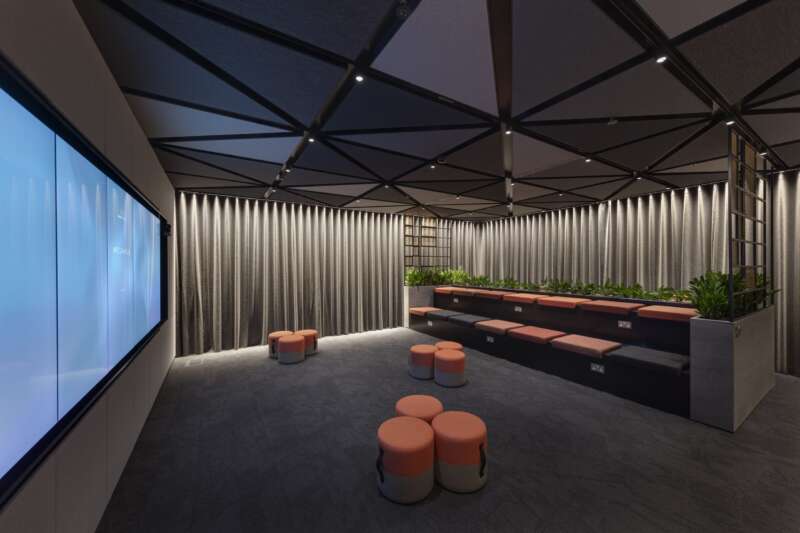
- Plan a full renovation if the room suffers from deep shadows, harsh glares, dark corners, or a total lack of layered light (ambient, task, and accent).
2. Evaluate Structural and Drywall Limits
- Swap a single fixture if you want a clean installation without cutting into walls or patching ceilings. The new piece must connect directly to the existing electrical junction box.
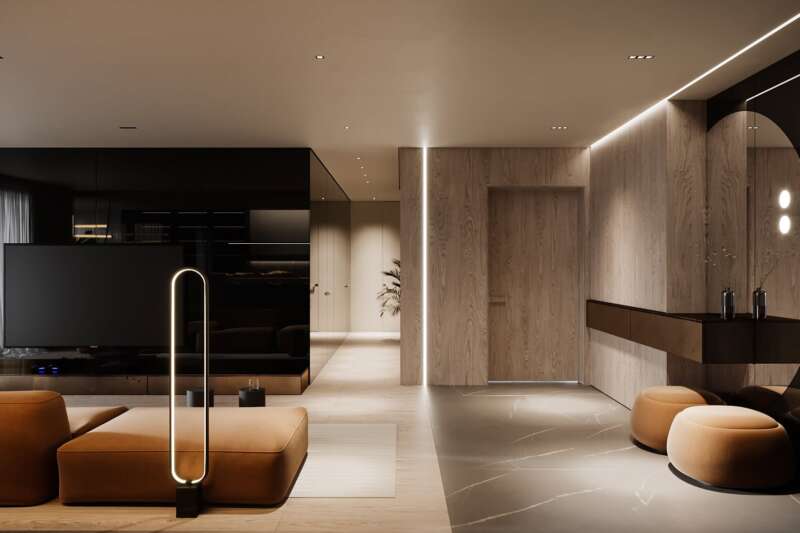
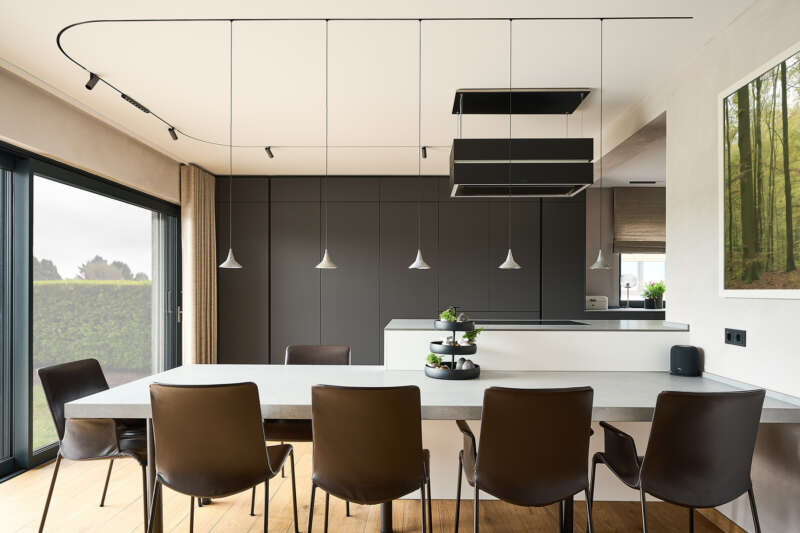
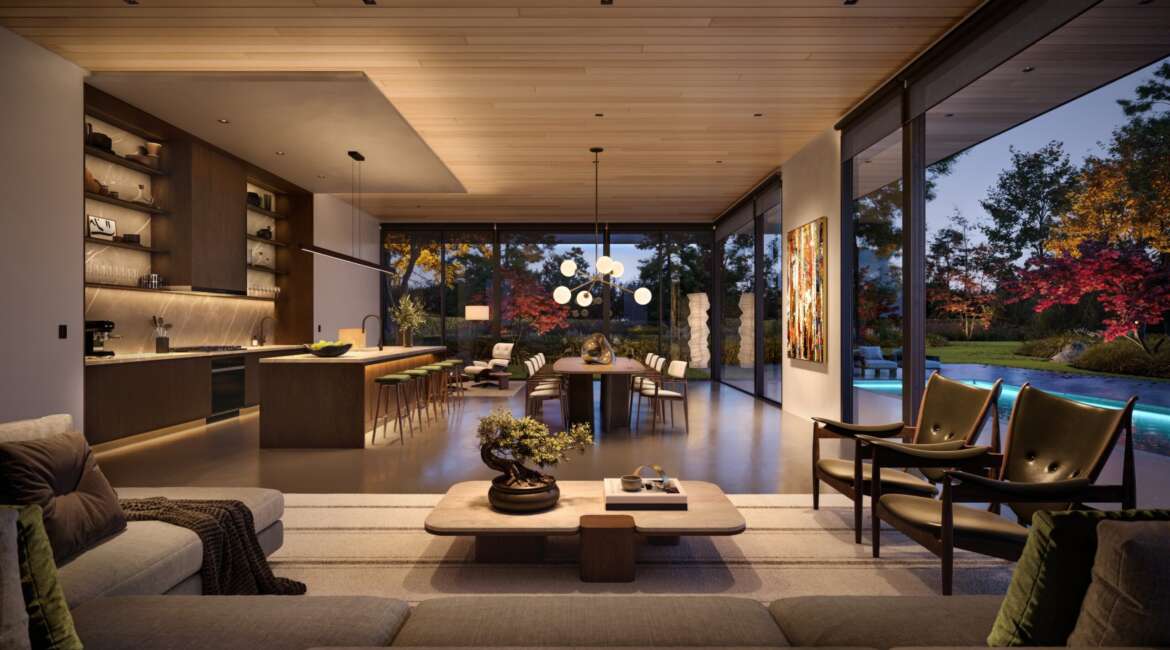
- Plan a full renovation if you want to add hidden LED cove lighting, plaster-in recessed slots, or magnetic track systems. These architectural layouts require cutting drywall, running new wires, and patching surfaces.
3. Consider Budget and Timeline
- Swap a single fixture for a fast, low-cost update. This route takes an hour or two of electrical work and costs only the price of the new decorative fixture and basic installation.
- Plan a full renovation if you have a larger budget and a flexible timeline. This option involves hiring an electrician for comprehensive rewiring, opening walls, and purchasing multiple integrated components.
4. Review Smart Home and Control Goals
- Swap a single fixture if you simply want to control one light with a standard wall dimmer or a smart bulb.
- Plan a full renovation if you want to split a room into multiple independently controlled lighting zones, install automated scene programming, or integrate whole-home smart drivers behind the walls.